General Secretary and State President To Lam attends the groundbreaking ceremony for the project to upgrade, modernize, and improve the water environment of the Bac Hung Hai irrigation system.
On the afternoon of October 9, in Nhu Quynh commune, the Ministry of Agriculture and Environment in coordination with the People's Committees of Hanoi city and Hung Yen province held a groundbreaking ceremony for the project to upgrade, modernize, and improve the water environment of the Bac Hung Hai irrigation system. General Secretary and State President To Lam attended the ceremony and delivered a directive speech.
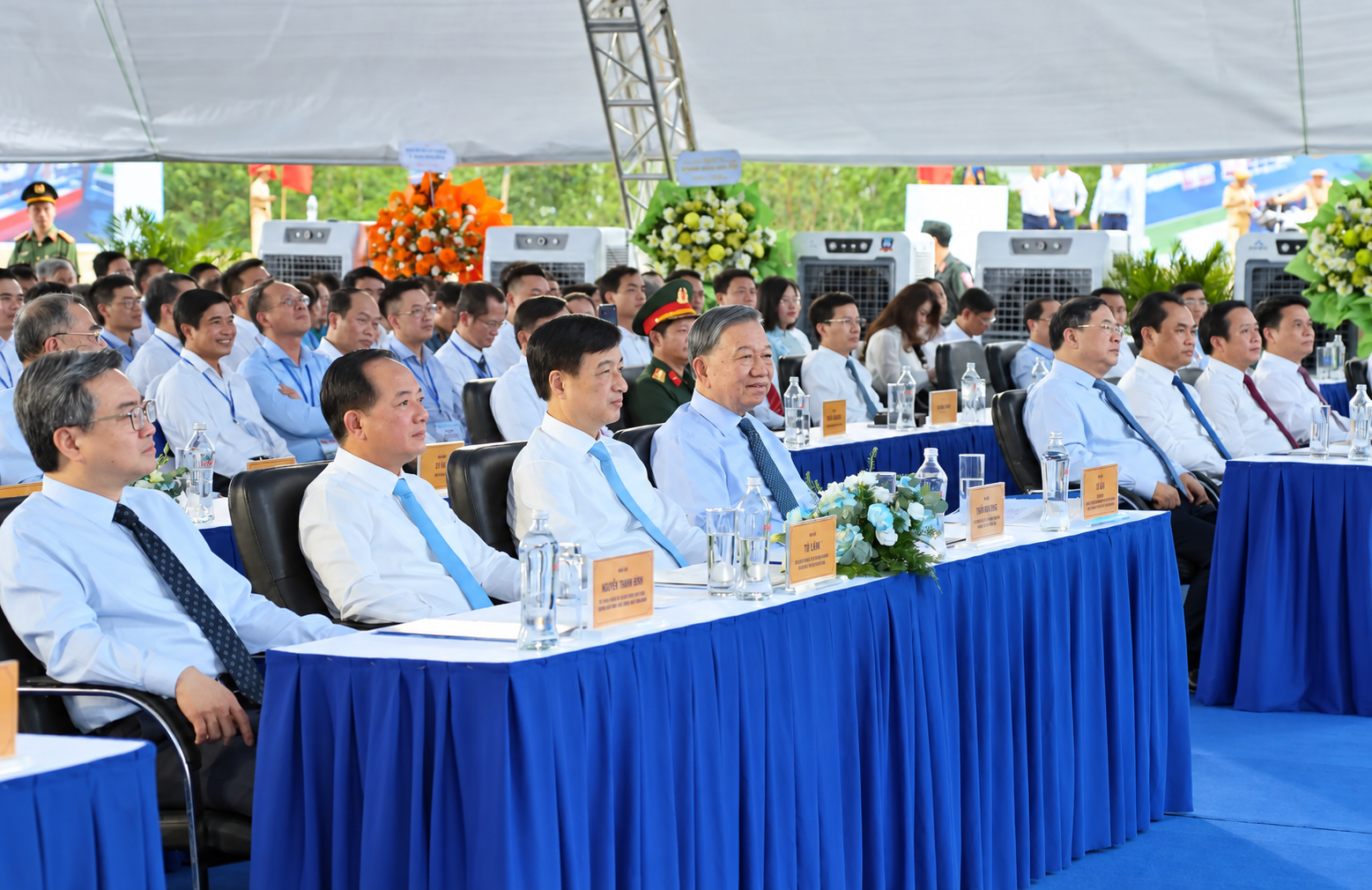
General Secretary and State President To Lam, and the Party and State leaders and delegates, attend the groundbreaking ceremony.
The ceremony drew the attendance of Politburo members: Nguyen Duy Ngoc, Secretary of the Party Central Committee and Head of the Central Organization Commission; Trinh Van Quyet, Secretary of the Party Central Committee and Head of the Party Central Commission for Information, Education and Mass Mobilization; Nguyen Thanh Nghi, Secretary of the Party Central Committee and Head of the Party Central Commission for Policies and Strategies; and Pham Gia Tuc, Permanent Deputy Prime Minister.
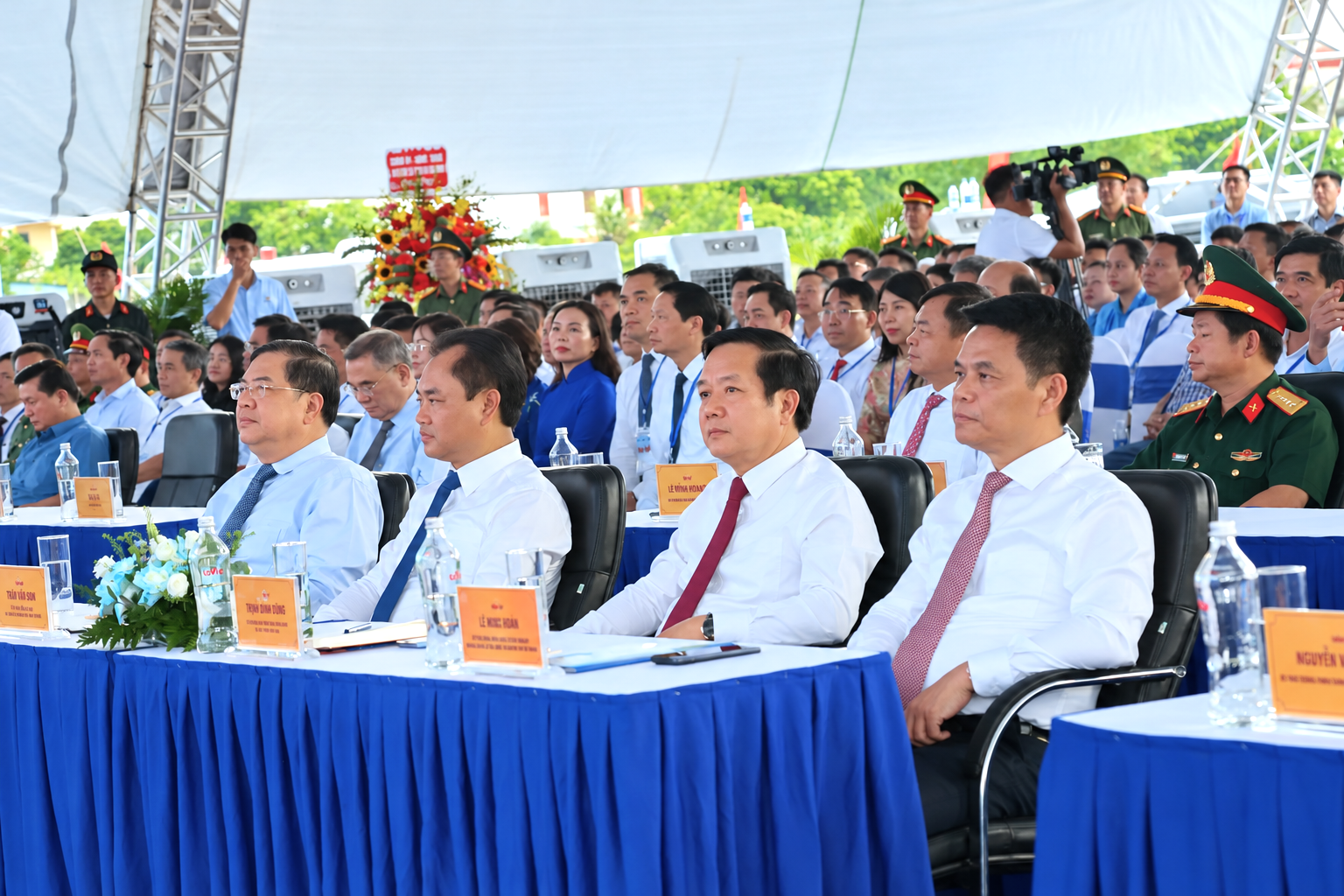
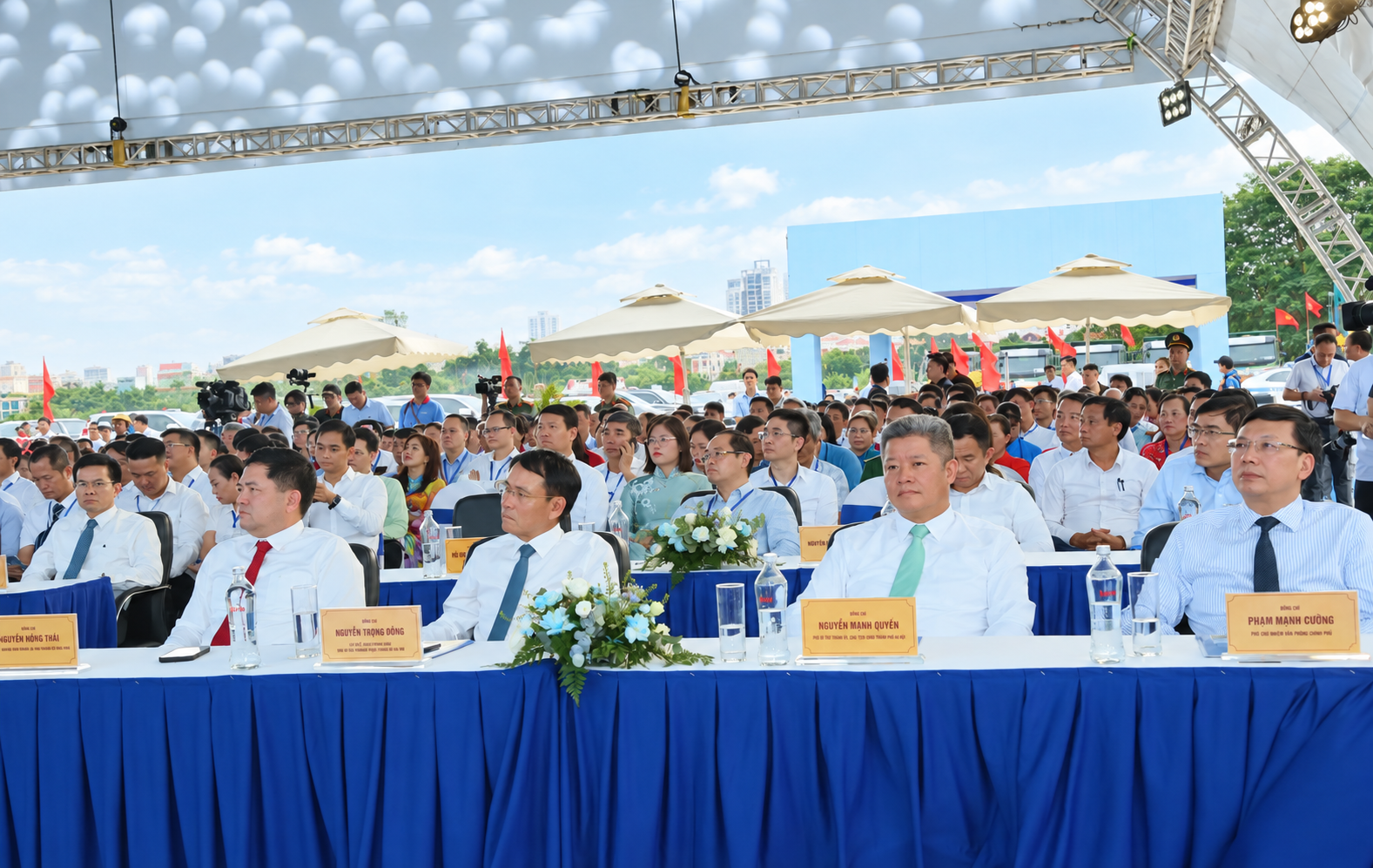
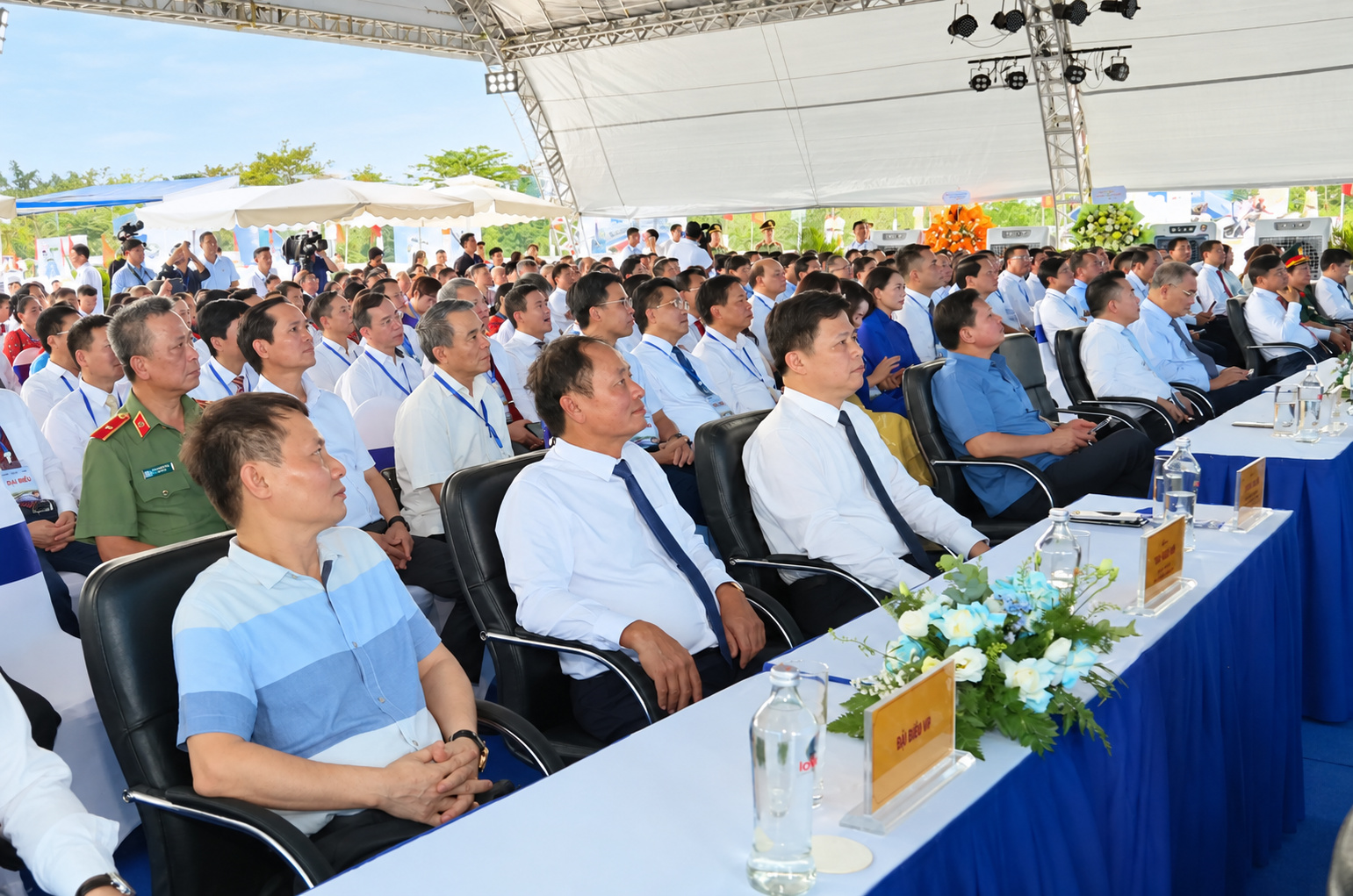
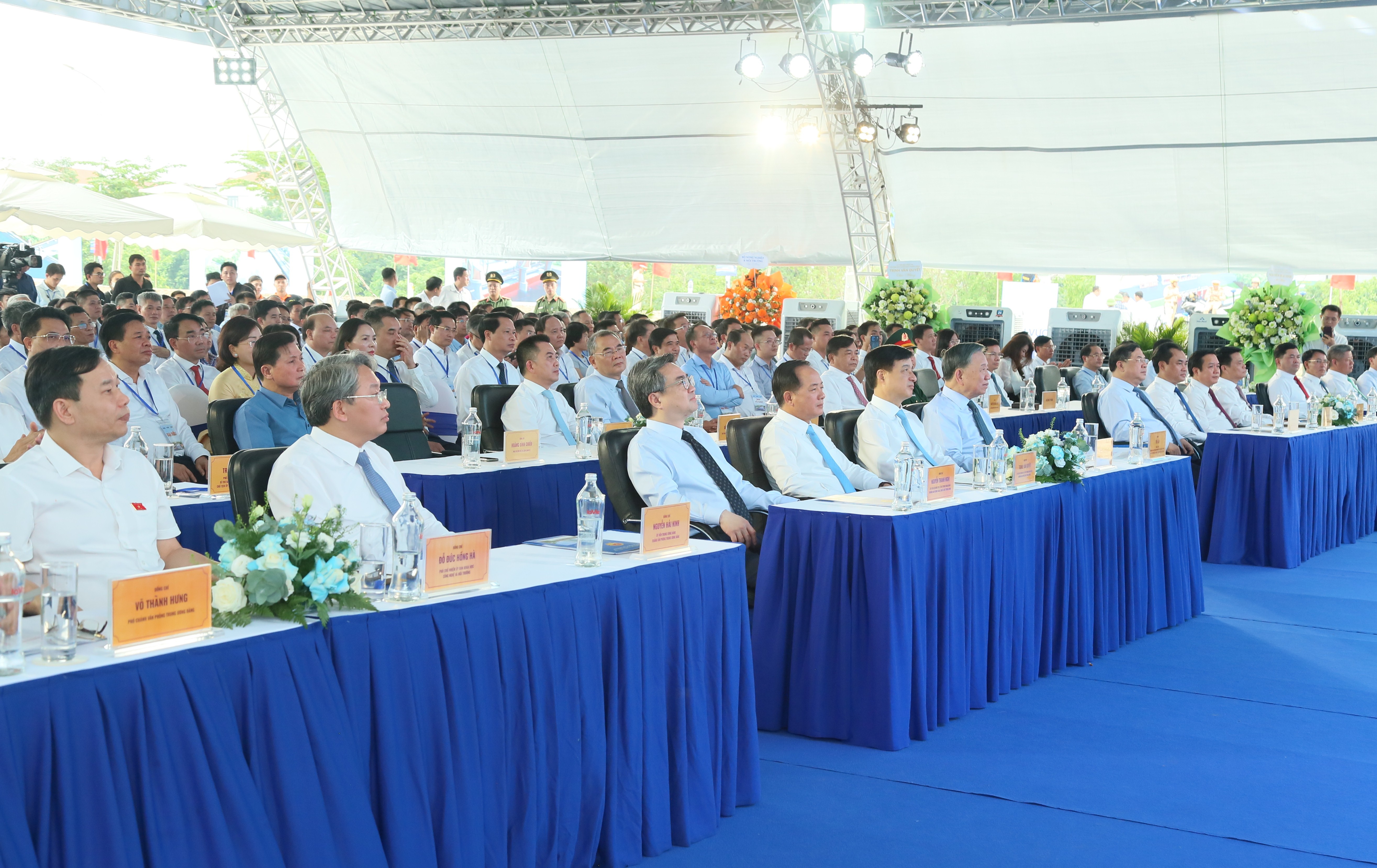
Central, provincial, and municipal leaders, and delegates, attend the groundbreaking ceremony.
In the attendance were members of the Party Central Committee: Nguyen Hai Ninh, Chief of the Party Central Committee’s Office; Trinh Viet Hung, Minister of Agriculture and Environment; Nguyen Trong Dong, Permanent Deputy Secretary of the Hanoi City Party Committee; Le Ngoc Chau, Secretary of the Hai Phong City Party Committee and Head of the Hai Phong National Assembly Delegation; and Nguyen Hong Thai, Secretary of the Bac Ninh City Party Committee; as well as leaders of ministries and central agencies.
Representing Hung Yen province, the ceremony saw the participation of comrades: Pham Quang Ngoc, member of the Party Central Committee and Secretary of the Provincial Party Committee. Tran Quoc Toan, Permanent Deputy Secretary of the Provincial Party Committee and Chairman of the Provincial Fatherland Front Committee; Tran Quoc Van, Deputy Secretary of the Provincial Party Committee and Chairman of the Provincial People's Council; Nguyen Manh Quyen, Deputy Secretary of the Provincial Party Committee and Chairman of the Provincial People's Committee; members of the Provincial Party Committee’s Standing Board; leaders of the Provincial People's Council, the Provincial People's Committee, the Provincial Fatherland Front Committee, and the provincial National Assembly delegation; as well as leaders of provincial departments, sectors, and localities.
The Bac Hung Hai irrigation system began to be built on October 1, 1958; which is a project of historical significance that plays a vital role in production, the livelihoods of local residents, and the socio-economic development of the region. The project was honored to receive four visits of President Ho Chi Minh. Currently, the system comprises 12 main canal routes with a total length of approximately 235.5 km, 825 pumping stations, and over 2,000 km of field canals; it provides irrigation for about 116,655 hectares of agricultural and aquaculture land, supplies domestic water for approximately 3.3 million people and water for about 7,800 hectares of industrial zones and production facilities, and handles drainage and flood prevention for approximately 198,995 hectares.
After nearly 70 years of operation, the system is facing pressure from infrastructure deterioration, urbanization, industrialization, climate change, and, in particular, persistent water pollution. The data from 2025 indicates that the volume of wastewater generated in the region is approximately 538,838 m³ per day, with 40 out of the 83 canal routes suffering from severe pollution. This situation impacts the efficiency of water resource exploitation and utilization, as well as production activities and the lives of local residents, creating an urgent need to upgrade infrastructure while simultaneously controlling pollution sources, collecting and treating wastewater, and restoring the aquatic environment.
The system's development direction is outlined in the scheme titled "Comprehensive Development of the Bac Hung Hai Irrigation System for Multi-purpose Use and Sustainable Environmental Protection," approved by the Ministry of Agriculture and Environment via the Decision No. 4160/QĐ-BNNMT dated October 8, 2025. Alongside the measures to augment water supplies, the Xuan Quan mobile pumping station was upgraded, raising its total capacity to 32 m³/s as of April 2026, while various canal sections underwent repair, reinforcement, and dredging, and operational procedures were adjusted.
Hung Yen province is focusing on implementing this scheme with a multi-purpose approach linked to environmental protection. Based on the established roadmap, the province has determined the commencement dates for 13 projects involving the renovation, upgrading, and construction of in-field irrigation infrastructure. The locality has already launched the Nghi Xuyen water regulation project, which has a total investment of 250 billion VND. Regarding Component Project 1, which entails upgrading, renovating, and reinforcing the Kim Son Canal (the section from Bao Dap Sluice to Kenh Cau Sluice), the province is actively executing assigned tasks to ensure both project progress and quality.
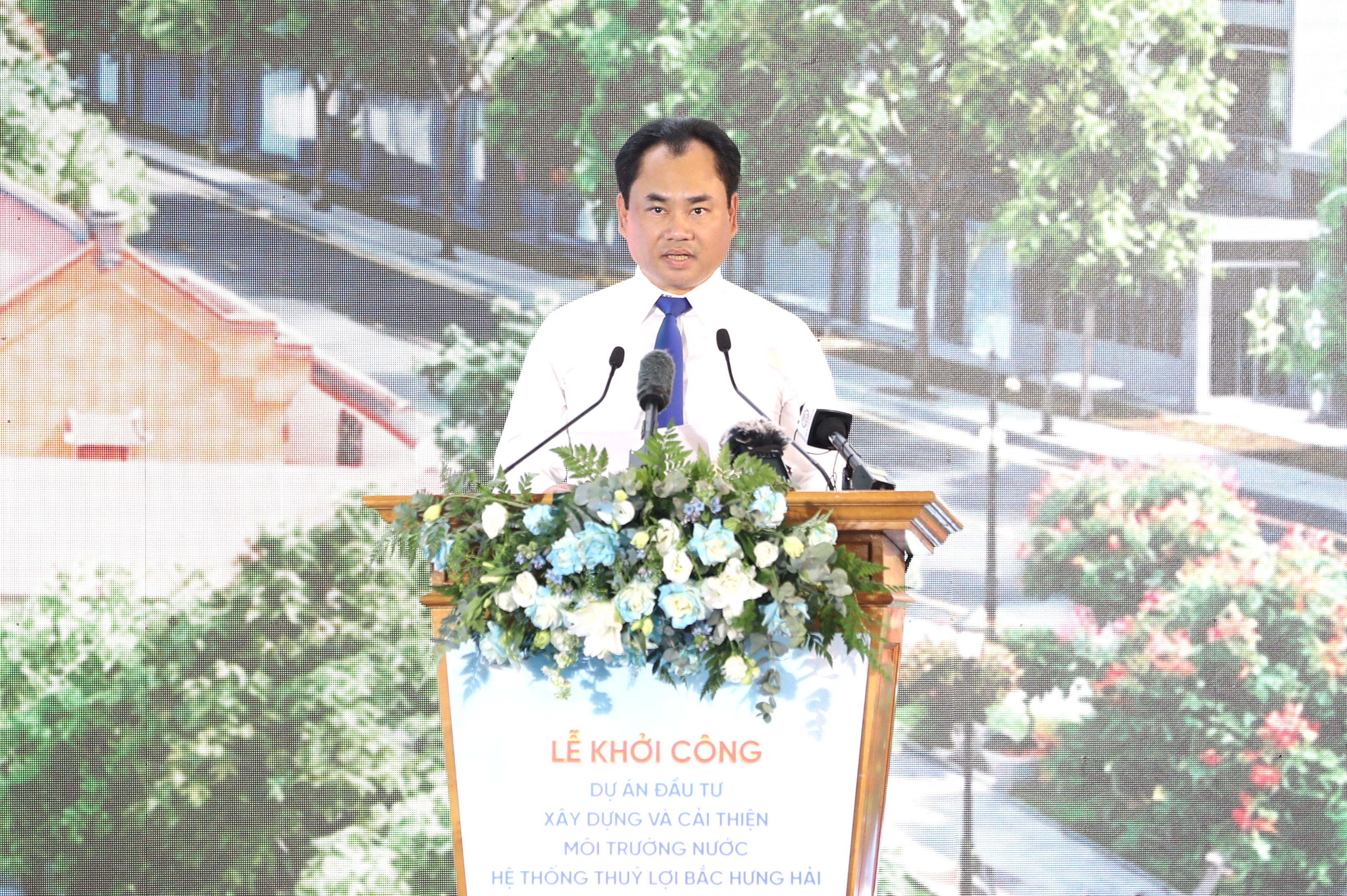
Mr. Trinh Viet Hung, Member of the Party Central Committee and Minister of Agriculture and Environment, speaks at the ceremony.
Speaking at the ceremony, Mr. Trinh Viet Hung, Member of the Party Central Committee and Minister of Agriculture and Environment, stated that the Ministry has collaborated with local authorities to finalize investment procedures, allocate funding, and prepare the necessary conditions for project implementation. The investment policy for the project to upgrade, modernize, and improve the water environment of the Bac Hung Hai irrigation system was approved under Decision No. 1479/QD-BNNMT dated April 23, 2026. With an estimated total investment of VND 8,596 billion, the project encompasses the repair, upgrading, and new construction of infrastructure, as well as the modernization of management and operational systems.
Component Project No. 1 focuses on upgrading, renovating, and reinforcing the Kim Son canal, a section spanning approximately 10.6 km from Bao Dap Sluice to Kenh Cau Sluice, traversing the territories of Hanoi and Hung Yen. This initial phase lays the groundwork for continuous investment and the comprehensive upgrading of the Bac Hung Hai system. The implementation requires close coordination among agencies and localities regarding construction, site clearance, technical infrastructure handling, and pollution source control, all while ensuring uninterrupted water supply and drainage operations.
The Minister of Agriculture and Environment affirmed that the Ministry would focus on directing construction to ensure quality, safety, and adherence to schedules; strengthening inspection and supervision; promptly resolving obstacles; and preventing losses and wastefulness. Simultaneously, the Minister urged localities to accelerate investment in wastewater collection and treatment systems, strictly control pollution sources, and ensure seamless integration with hydraulic infrastructure. Furthermore, localities were encouraged to enhance inter-regional coordination, modernize management and operations, and align infrastructure upgrades with water resource protection, ecosystem restoration, and sustainable development.
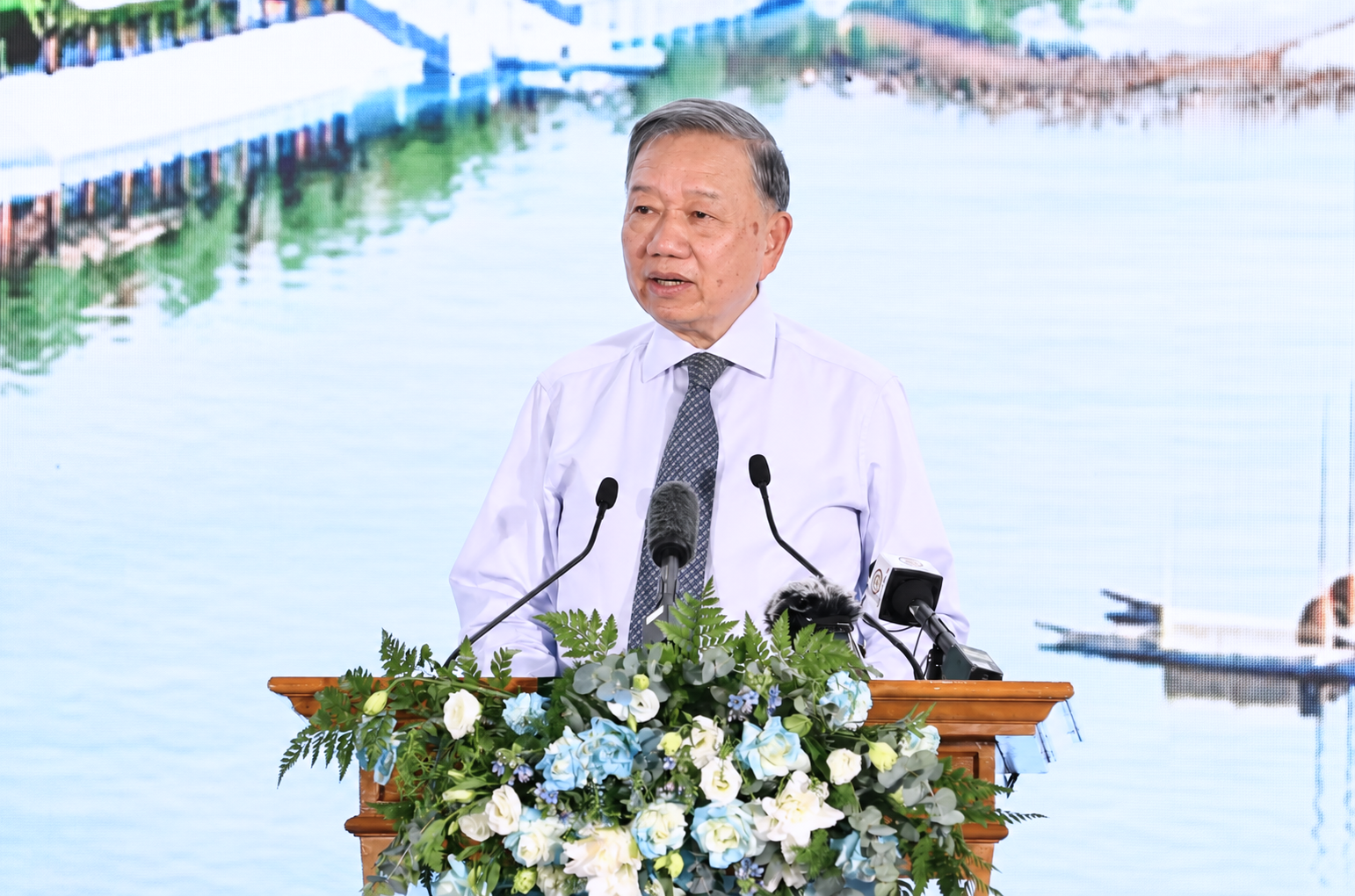
General Secretary and State President To Lam delivers a directive speech at the ceremony.
In his directive speech at the ceremony, General Secretary and State President To Lam commended the proactive efforts of the Government, the Ministry of Agriculture and Environment, and various ministries, sectors, and localities in researching and formulating the master development plan for the Bac Hung Hai system. He emphasized that the system's development must be integrated into the strategy for ensuring water security, environmental protection, and sustainable development in the Red River Delta, a shared responsibility involving the entire political system, the business community, and society as a whole.
The General Secretary and State President called for a review and synchronized integration of investment plans and master plans with development strategies for urban areas, industry, agriculture, transportation, and environmental infrastructure. He urged overcoming the mindset of acting solely within administrative boundaries, while strengthening inter-provincial and inter-sectoral coordination and ensuring unified system-wide management. Water infrastructure development must stay ahead of the curve to meet socio-economic needs and harmonize the interests of localities, sectors, and water-using communities.
Emphasizing that persistent water pollution directly impacts production, public health, and people's lives, the General Secretary and State President directed authorities to address pollution sources at their roots, strictly control waste discharge, and improve the efficiency of wastewater collection and treatment across urban areas, industrial zones, production facilities, craft villages, and residential communities. Responsibilities must be clearly defined for localities, management agencies, and production facilities; inspection and supervision must be intensified, and violations strictly penalized to prevent pollution from persisting or recurring, adhering to the principle of not trading the environment for economic growth.
Alongside controlling pollution sources, comprehensive solutions must be carried out to improve water quality, restore ecosystems, and protect landscapes. Ensuring a supply of clean water to replenish the system, maintaining water flow, and enhancing wastewater treatment efficiency must be conducted consistently and continuously to achieve substantive improvements in water environmental quality.
The General Secretary and State President called for stepped-up, synchronized investment to modernize facilities and the application of science, technology, and digital transformation in management and operations. Component projects must be implemented within a unified framework to ensure connectivity and avoid fragmented or uncoordinated investment. Priority must be given to enhancing capacities for water supply, drainage, disaster prevention and control, flood mitigation, and climate change adaptation. It is essential to strengthen automated monitoring, forecasting, and smart management systems, while establishing shared data systems that link central and local authorities with management and operational units. Simultaneously, emphasis must be placed on facility maintenance and the professional development of operational staff to ensure the system operates safely, efficiently, and sustainably.
He urged the rational utilization of the Bac Hung Hai system's potential and advantages, linking irrigation infrastructure development with ecological agriculture, urban growth, services, tourism, and the preservation of cultural and historical values. The development along the main canal routes must be studied and aligned with urban, transport, and residential planning; any utilization of these areas must ensure structural safety and environmental protection without compromising water supply and drainage functions or the community's collective interests. Through these efforts, the Bac Hung Hai area can gradually be transformed into a green, clean, civilized, and modern space, thereby improving the people's quality of life.
The General Secretary and State President emphasized the need for a shift in mindset and decisive action in implementation, striving to complete the system's renovation and upgrade by 2028, marking the 70th anniversary of the project's initial construction. The Government, the Ministry of Agriculture and Environment, and local authorities must clearly define responsibilities, timelines, and expected outcomes; they must proactively resolve obstacles regarding mechanisms, policies, investment procedures, site clearance, and resource mobilization. Implementation must ensure quality, investment efficiency, openness, and transparency, while strengthening inspection, supervision, and the prevention of corruption, misconduct, loss, and wastefulness.
The General Secretary and State President expressed his hope that local residents would continue to uphold traditions of solidarity and consensus, actively cooperate with authorities at all levels during project implementation, and join hands to protect the infrastructure, preserve water resources, and create a green, clean, and beautiful living environment. Lessons learned from the renovation and restoration of the Bac Hung Hai system should be studied and appropriately applied to address pollution in other rivers and irrigation works, thereby contributing to environmental protection and improving quality of life nationwide.
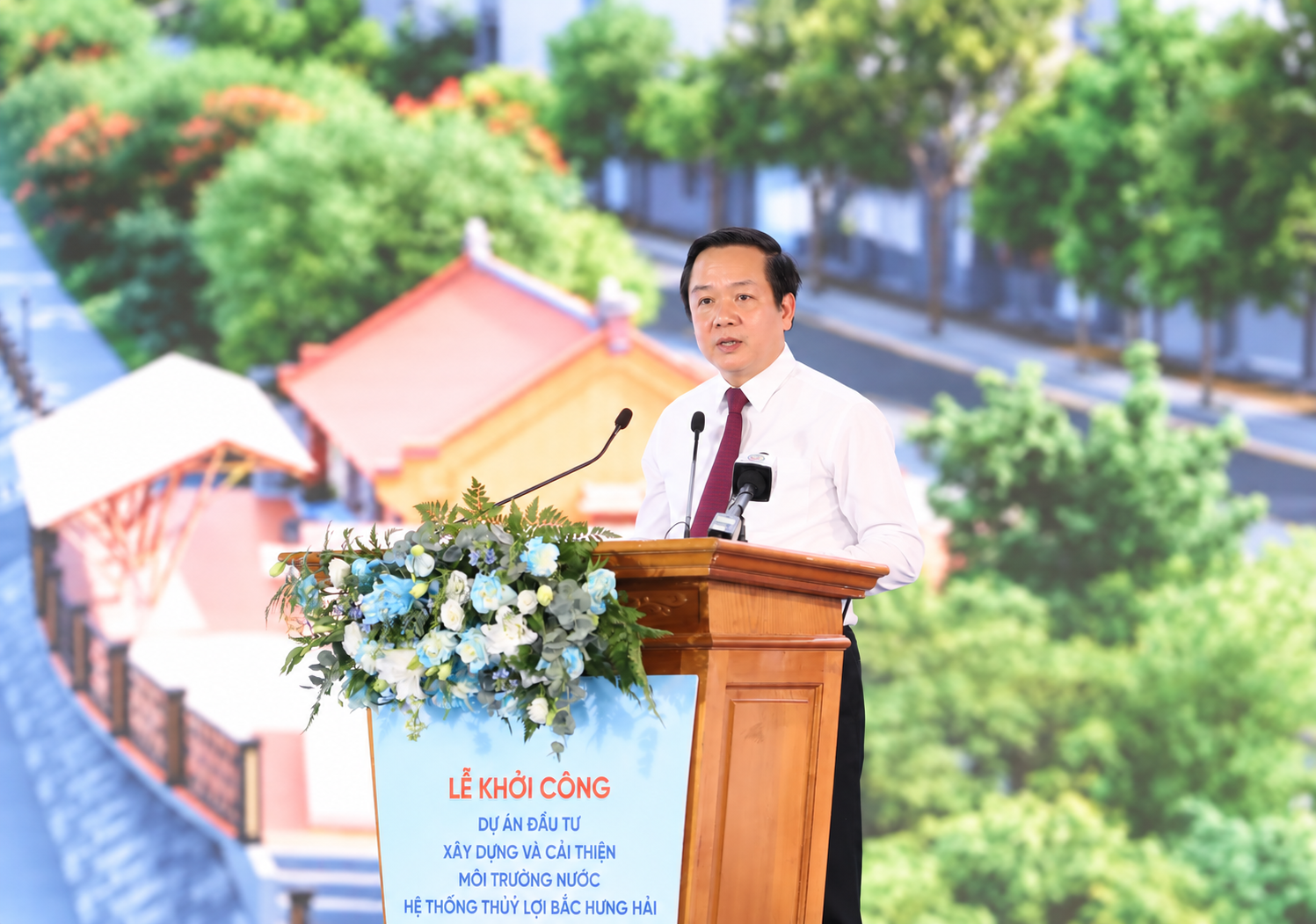
Mr. Pham Quang Ngoc, Member of the Party Central Committee and Secretary of the Hung Yen Provincial Party Committee, speaks at the ceremony.
In his remarks acknowledging the directives of the General Secretary and State President, Mr. Pham Quang Ngoc, Member of the Party Central Committee and Secretary of the Hung Yen Provincial Party Committee, expressed sincere gratitude for the attention paid by General Secretary and State President To Lam and other Party and State leaders to the Bac Hung Hai irrigation system; affirmed a commitment to seriously heed, concretize, and fully and effectively implement the directives.
He emphasized that the Ministry of Agriculture and Environment, Hung Yen province, Hanoi city, and localities within the Bac Hung Hai region would focus on leadership and direction, resource mobilization, and harnessing the strength of the entire political system and public consensus to synchronously implement tasks and solutions. Efforts will link infrastructure upgrades with pollution source control, wastewater collection and treatment, and the restoration of the water environment. Hung Yen province pledged close coordination with ministries, central agencies, and relevant localities to execute tasks with a spirit of "saying and doing, acting immediately, correctly, decisively, and thoroughly to achieve effective results," striving to complete the project by 2028 in accordance with the directives of the General Secretary and State President.
The Provincial Party Secretary expressed the hope that the Bac Hung Hai system would gradually evolve into a modern, integrated, and multi-purpose irrigation infrastructure, while serving as a space for harmonious development, balancing production, ecology, landscape, and cultural-historical values, thereby contributing to the rapid and sustainable development of Hung Yen and the entire region.
At the ceremony, General Secretary and State President To Lam, and central and local delegates, performed the groundbreaking ceremony for the project to upgrade, modernize, and improve the water environment of the Bac Hung Hai irrigation system.
.jpg)
General Secretary and State President To Lam, and central and local delegates, perform the groundbreaking ceremony for the project to upgrade, modernize, and improve the water environment of the Bac Hung Hai irrigation system.
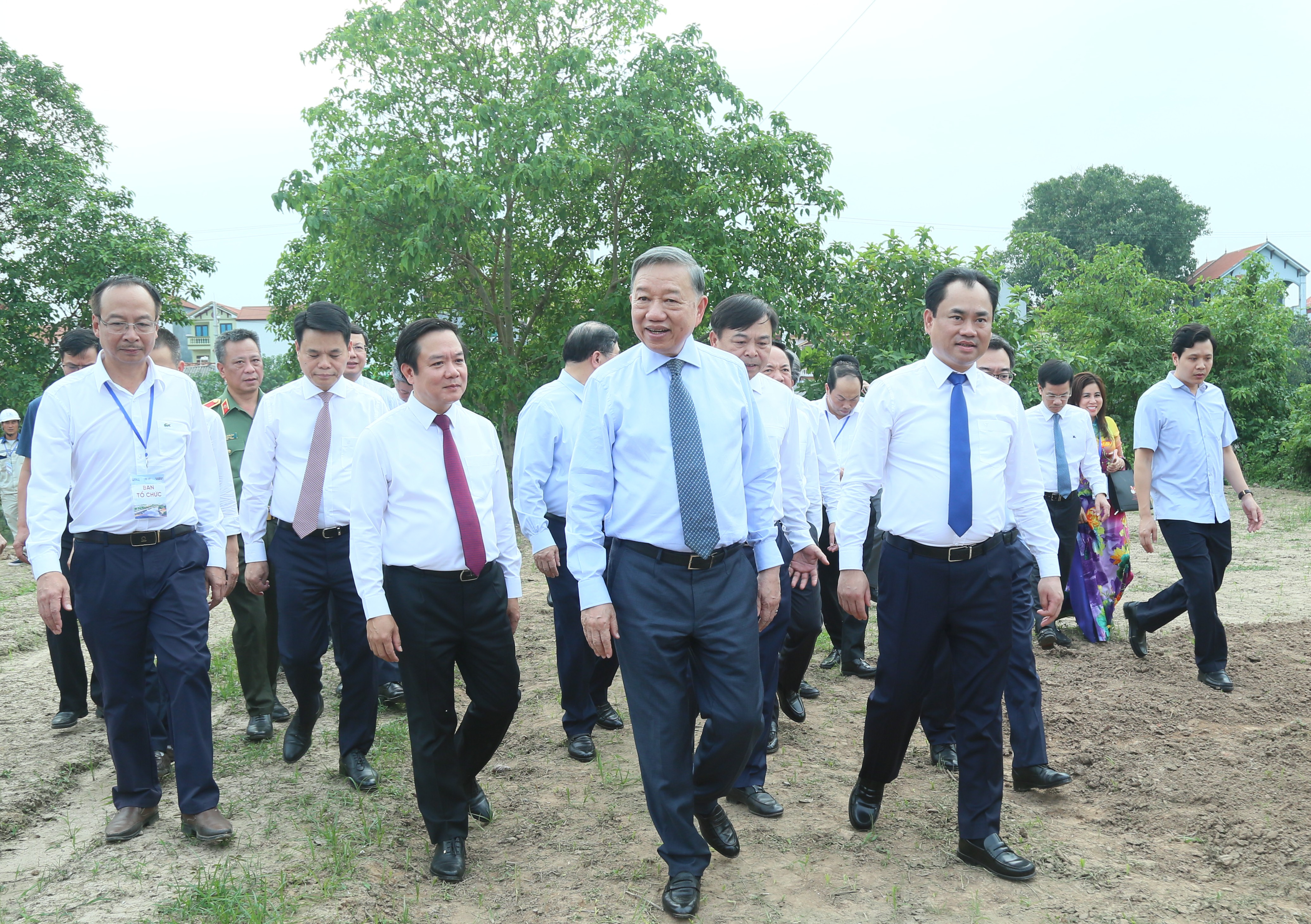
General Secretary and State President To Lam, and central and local delegates, inspect the Bac Hung Hai irrigation system at the section passing through Nhu Quynh commune, Hung Yen province.
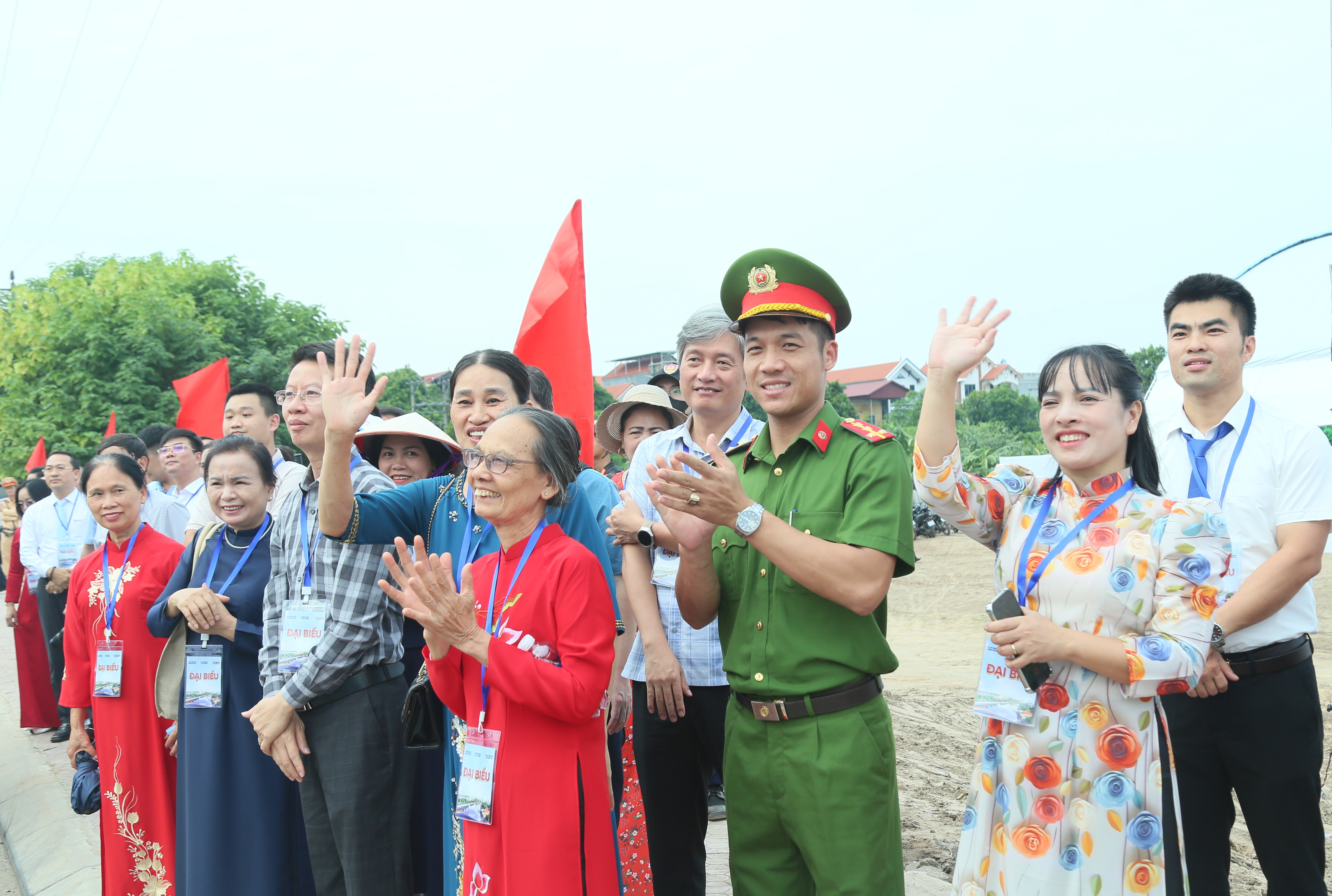
Local residents are delighted by the implementation of the project to upgrade, modernize, and improve the water environment of the Bac Hung Hai irrigation system.