The Provincial People's Committee works with the Department of Culture, Sports and Tourism on key tasks in 2026
On the morning of February 4, Mr. Pham Quang Ngoc, Member of the Party Central Committee, Deputy Secretary of the Provincial Party Committee, and Chairman of the Provincial People's Committee, chaired a working session with the Department of Culture, Sports and Tourism to evaluate the results of work in 2025 and implement the key tasks in 2026. The working session drew the attendance of: Mr. Dao Hong Van, Member of the Standing Board of the Provincial Party Committee, Head of the Provincial National Assembly Delegation, and Director of the Department of Internal Affairs; Mr. Pham Van Nghiem, the Provincial Party Committee’s Member and Vice Chairman of the Provincial People's Committee; and leaders of relevant departments and agencies.


 The delegates attend the working session.
In 2025, in the context of the province implementing organizational restructuring and streamlining, and organizing many major political and cultural events, the sector of Culture, Sports and Tourism has made efforts to comprehensively implement tasks, achieving important results in almost all areas.
The work of advising on the development and improvement of institutions has been emphasized. Many important projects, plans, and regulations have been issued and effectively implemented, creating a legal framework for state management in the fields of culture, family, sports, tourism, journalism, and publishment. The activities to preserve and promote the value of cultural heritage continue to be strengthened. The digitization of heritage, exhibitions, and the application of technology in museums and libraries have been enhanced, contributing to the dissemination of traditional cultural values in the community.
The mass cultural and artistic movement and "The whole people unite to build the cultural life" movement have seen innovations. The arts performance and film activities serving political tasks and the cultural needs of the people have been regularly maintained, achieving many successes at national festivals and competitions.
The field of physical education and sports has developed both in breadth and depth, with the high-performance sports maintaining stability and winning a lot of medals at national and international competitions. Cultural and sports facilities and institutions have been gradually invested in and upgraded.
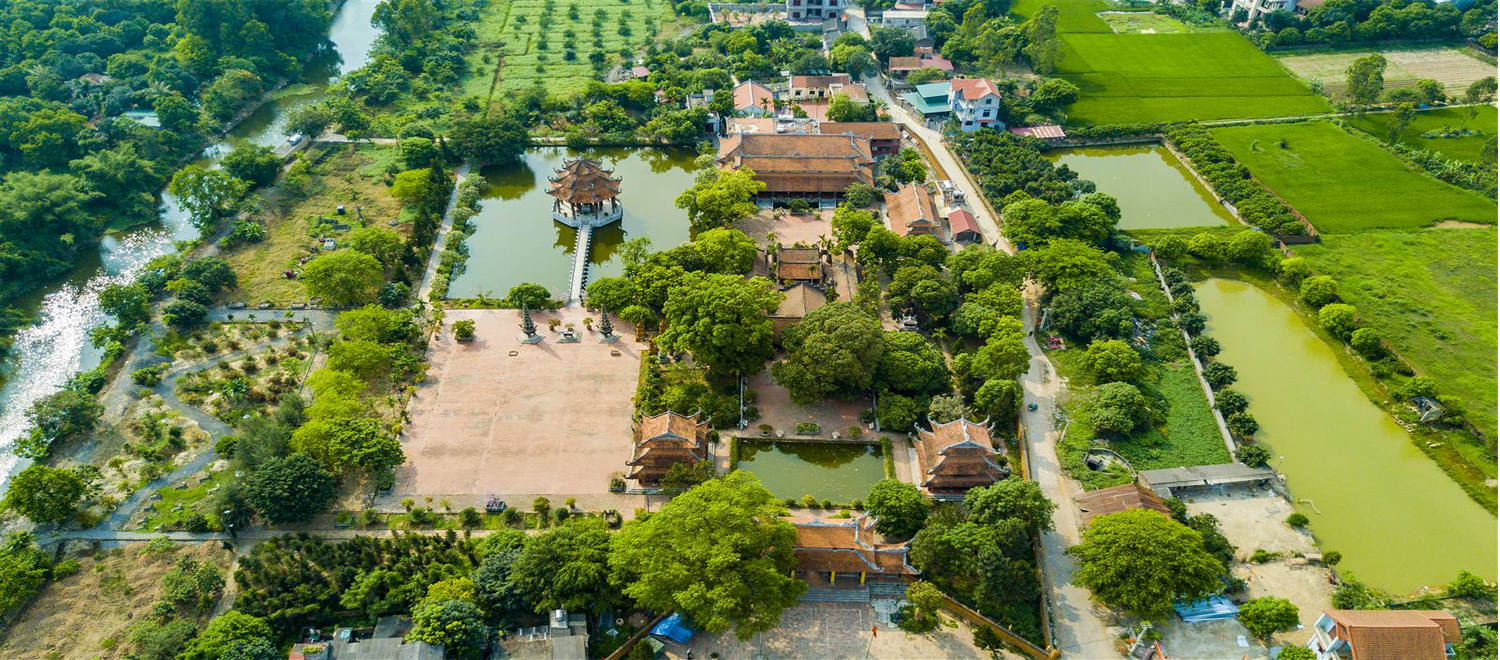
The province's tourism sector has recorded positive growth. By 2025, the locality is expected to welcome approximately 3.9 million visitors, with the estimated revenue reaching 1,700 billion VND. Tourism promotion, advertisement, and digital transformation have been intensified, with the development of new tourism products, tours, and routes linked to heritage sites, traditional crafts, and ecological areas.
Press, media, and external information work is strictly managed; administrative reform, digital transformation, and public investment in the cultural sector have been performed seriously and on schedule.
Besides the achievements, the sector of Culture, Sports and Tourism also frankly acknowledged such limitations as: some areas have not developed to their full potential; cultural, sports, and tourism infrastructure in some localities is still lacking and not synchronized; and the effectiveness of exploiting heritage values in conjunction with tourism development is not high. Furthermore, the process of social mobilization faces difficulties; investment resources and high-quality human resources, especially in the fields of tourism and digital transformation, are limited. In particular, after the organizational merger, the restructuring of some specialized public service units still faces obstacles and requires appropriate mechanisms to ensure stable and effective operation.
At the conference, delegates focused on discussing practical issues; and simultaneously proposed specific and practical solutions to improve the effectiveness of work in the fields of culture, sports, and tourism in the coming period.
 Mr. Pham Van Nghiem, Vice Chairman of the Provincial People's Committee, speaks at the meeting.
 The Head of the National Assembly Delegation and Director of the Department of Internal Affairs speaks at the meeting.
 The leader of the Department of Finance speaks at the meeting.
 The leader of the Department of Culture, Sports and Tourism reports at the meeting.
Speaking at the meeting, the Deputy Secretary of the Provincial Party Committee and Chairman of the Provincial People's Committee, Pham Quang Ngoc, acknowledged and highly appreciated the achievements of the Culture, Sports and Tourism sector in 2025; and emphasized that this sector plays a crucial role in building the spiritual foundation of society, improving people's lives, and promoting socio-economic development.
The Deputy Secretary of the Provincial Party Committee and Chairman of the Provincial People's Committee requested the sector to continue reviewing and thoroughly assessing existing shortcomings and limitations, clearly identifying the causes, especially the "bottlenecks" and "obstacles" in mechanisms, organizational methods, resources, and organizational structure, thereby proactively proposing solutions to overcome obstacles and challenges. He also urged continuous improvement in the effectiveness and efficiency of state management, defining the functions, tasks, and responsibilities of the sector within the province's socio-economic landscape; and strengthening digital transformation in the management and professional activities of the sector.
 Comrade Pham Quang Ngoc, Deputy Secretary of the Provincial Party Committee and Chairman of the Provincial People's Committee, delivers a directive speech at the working session.
Emphasizing the context following the provincial merger, he stated that the Culture, Sports, and Tourism sector needs to focus on researching and advising on the development direction of the cultural field based on the cultural, historical, and revolutionary values characteristic of the former Thai Binh and Hung Yen provinces, thereby positioning the province's cultural and tourism brand at the national and international levels. Along with that, the cultural, sports, and tourism sectors must be interconnected and mutually supportive, considering this a great endogenous resource with the view that "investing in culture is investing in development," thus investing in appropriate, focused, and targeted directions to create momentum for sustainable and long-term development.
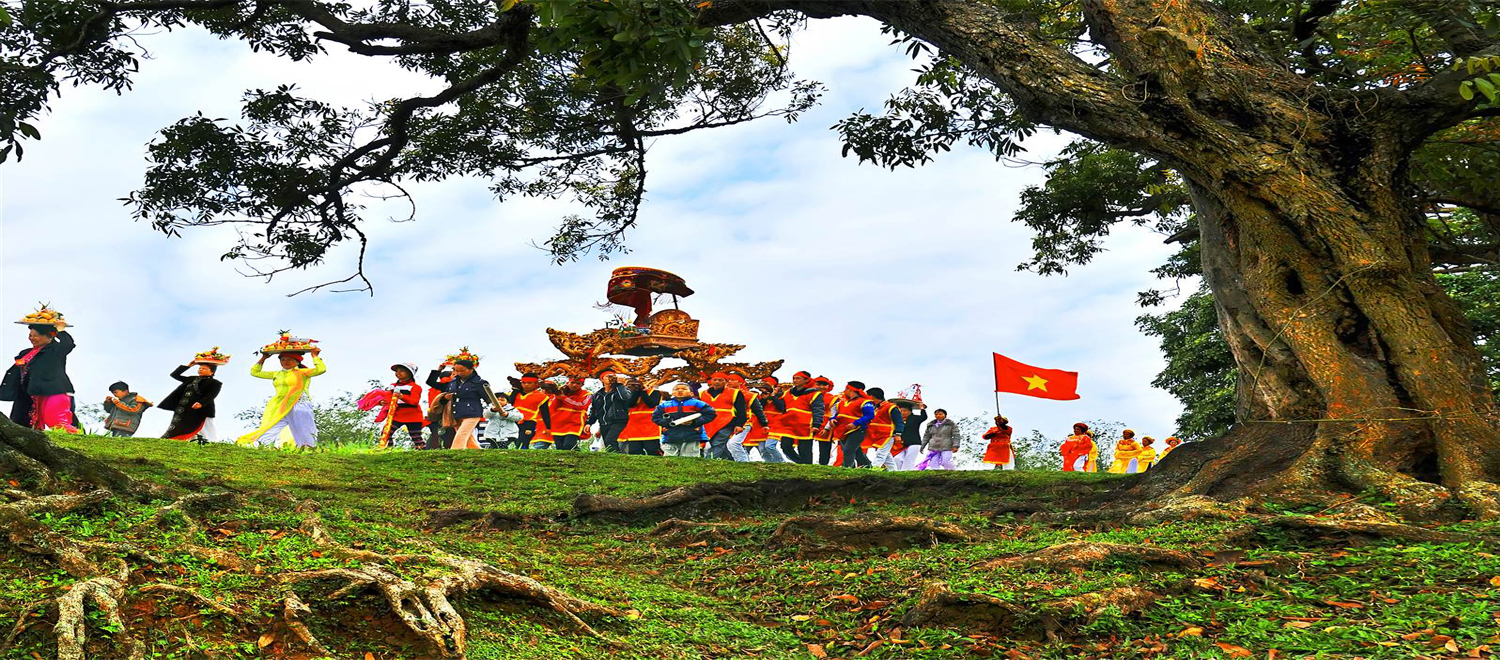
He suggested that the sector needs to strongly innovate its thinking and management methods; pay attention to preserving and promoting intangible cultural values and traditional arts, developing high-performance sports, and building the province's sports brand. Furthermore, continue to focus on improving the effectiveness of press management and external information; standardize the organization and rituals in provincial and commune-level festivals; and provide long-term strategic advice on the restoration and preservation of historical relics, especially those of special national significance. To pay attention to preserving and promoting intangible traditional values, including researching and advising on the development of policies and mechanisms to encourage the preservation and safeguarding of traditional arts; and encouraging artistic creation activities about the land and people of Hung Yen.
Regarding tourism, the Department of Culture, Sports and Tourism needs to clearly identify tourism destinations, promote and support tourism, and strengthen the socialization of tourism, develop distinctive tourism products associated with the promotion of heritage values.
The Deputy Secretary of the Provincial Party Committee and Chairman of the Provincial People's Committee also requested the Department of Culture, Sports and Tourism to proactively coordinate with other departments, agencies, and localities to prepare well the conditions for successfully organizing major cultural and sports events in 2026, contributing to promoting socio-economic development and improving the spiritual life of the people.