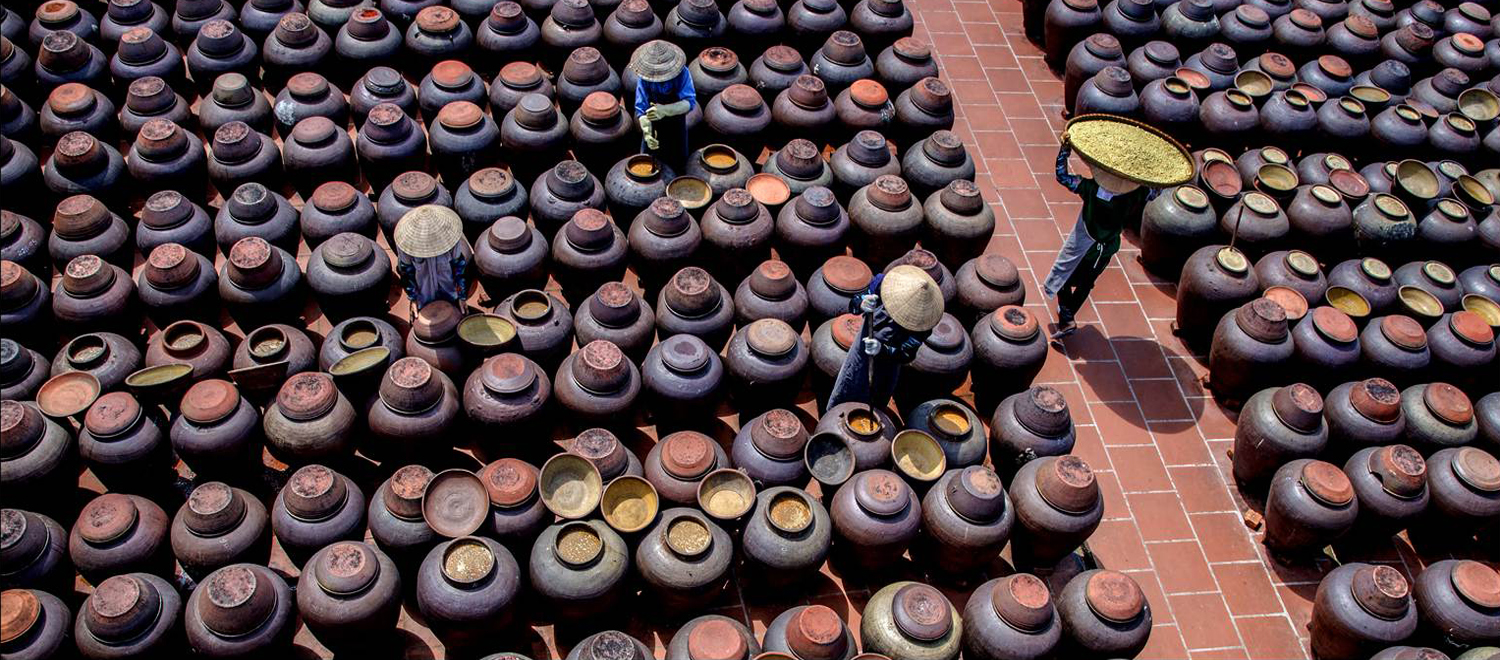
The Hung Yen Provincial People’s Committee and the Hanoi Municipal People’s Committee discuss the future development cooperation strategies
On the afternoon of October 8, at the Headquarters of the Provincial People’s Council – the Provincial People’s Committee, the Hung Yen Provincial People’s Committee and the Hanoi Municipal People’s Committee held a meeting to discuss strategies for future development cooperation. The meeting was co-chaired by comrade Nguyen Manh Quyen, Deputy Secretary of the Provincial Party Committee and Chairman of the Hung Yen Provincial People’s Committee, and comrade Truong Viet Dung, Member of the City Party Committee and Vice Chairman of the Hanoi Municipal People’s Committee.
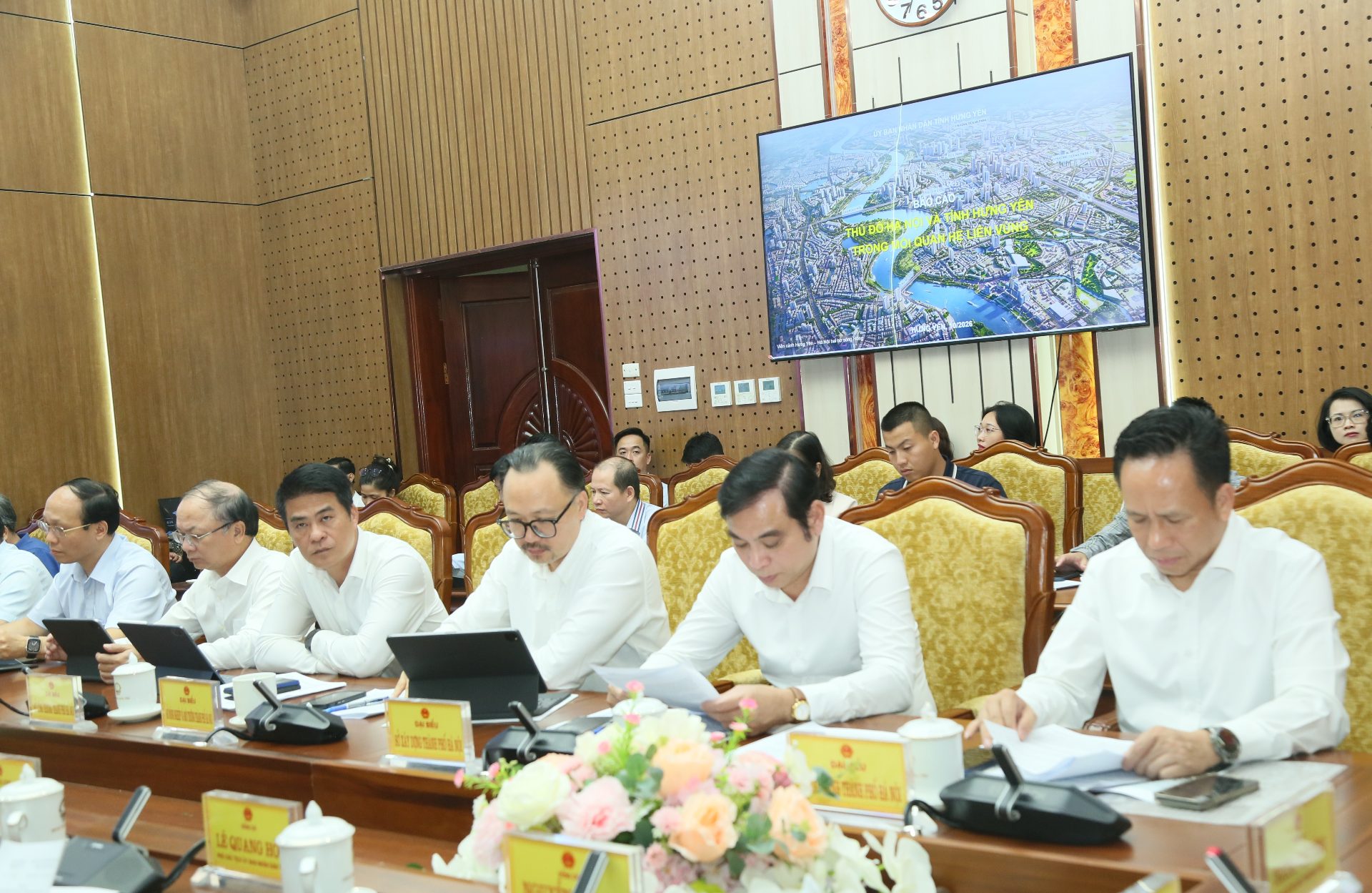
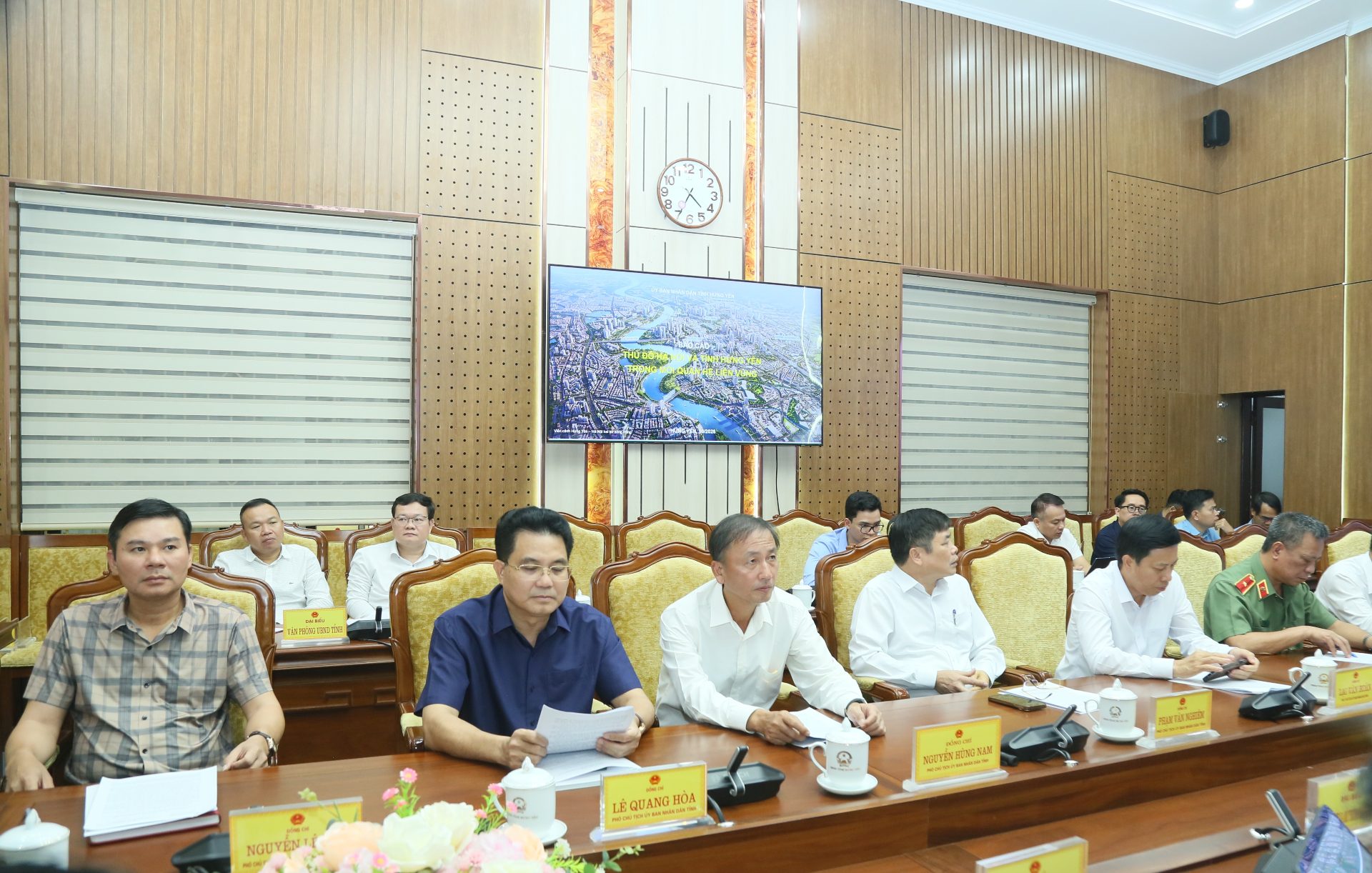
Delegates attend the meeting.
The meeting saw the participation of members of the Provincial Party Committee’s Standing Board, leaders of the Hung Yen Provincial People’s Committee, and representatives of various departments, agencies, and units of both Hung Yen province and Hanoi city.
Hung Yen and Hanoi possess significant advantages for strengthening regional integration, particularly due to their geographical location and the development space along both banks of the Red River. This serves as a foundation for the two localities to expand cooperation in such areas as infrastructure, urban development, industry, logistics, trade and services, agriculture, education, healthcare, culture, and tourism.
The initiative to strengthen the Hung Yen–Hanoi partnership aligns with the spirit of Resolution No. 27-NQ/TW, dated August 28, 2026, issued by the Politburo regarding regional development and the organization of national development space in the new era. Hung Yen envisions its relationship with Hanoi as one of mutual support, leveraging the unique strengths of each locality to create a complementary development space that minimizes overlap and the fragmentation of resources.
According to this strategic orientation, Hung Yen serves as a transitional hub between the center of Hanoi and the eastern industrial and logistics corridor. The northern and central parts of the province are well-positioned to develop hubs for urban activity, industry, services, and logistics, with the Red River corridor serving as a space for connectivity, ecology, and culture.
Regarding transportation, the Hung Yen provincial master plan focuses on establishing links with Hanoi through the Ring Roads No. 3.5, 4, 4.5, and 5, as well as various expressways, national highways, and inter-regional transport routes. A system of bridges across the Red River and a railway network are identified as key components for connecting the two localities. The Hanoi–Hung Yen area is set to be linked by 10 bridges spanning approximately 43 km of the Red River. Furthermore, plans include developing railway lines connecting Hanoi to Hai Phong and other provinces in the region, integrated with transit-oriented urban development, gradually moving toward a "30-minute city" model.
Building on this interconnected infrastructure, Hung Yen aims to develop industrial and logistics zones in Van Lam, My Hao, Yen My, and An Thi, which will link to the southeastern area of Hanoi. The province also intends to leverage its dry ports and logistics centers to integrate more deeply into the freight transport chain along the Hanoi–Hai Phong–Quang Ninh corridor. Additionally, sectors such as commerce, services, education, and healthcare are being developed to complement and expand the provision of high-quality services within the Capital Region.
In the realms of culture, tourism, and ecology, both localities can utilize the Red River corridor, along with their respective heritage sites, craft villages, and cultural, historical, and ecological tourism attractions to create inter-regional tourism product chains; developing the Red River corridor in a green, ecological manner, integrating high-tech agriculture with experiential tourism, cultural activities, and resort services.
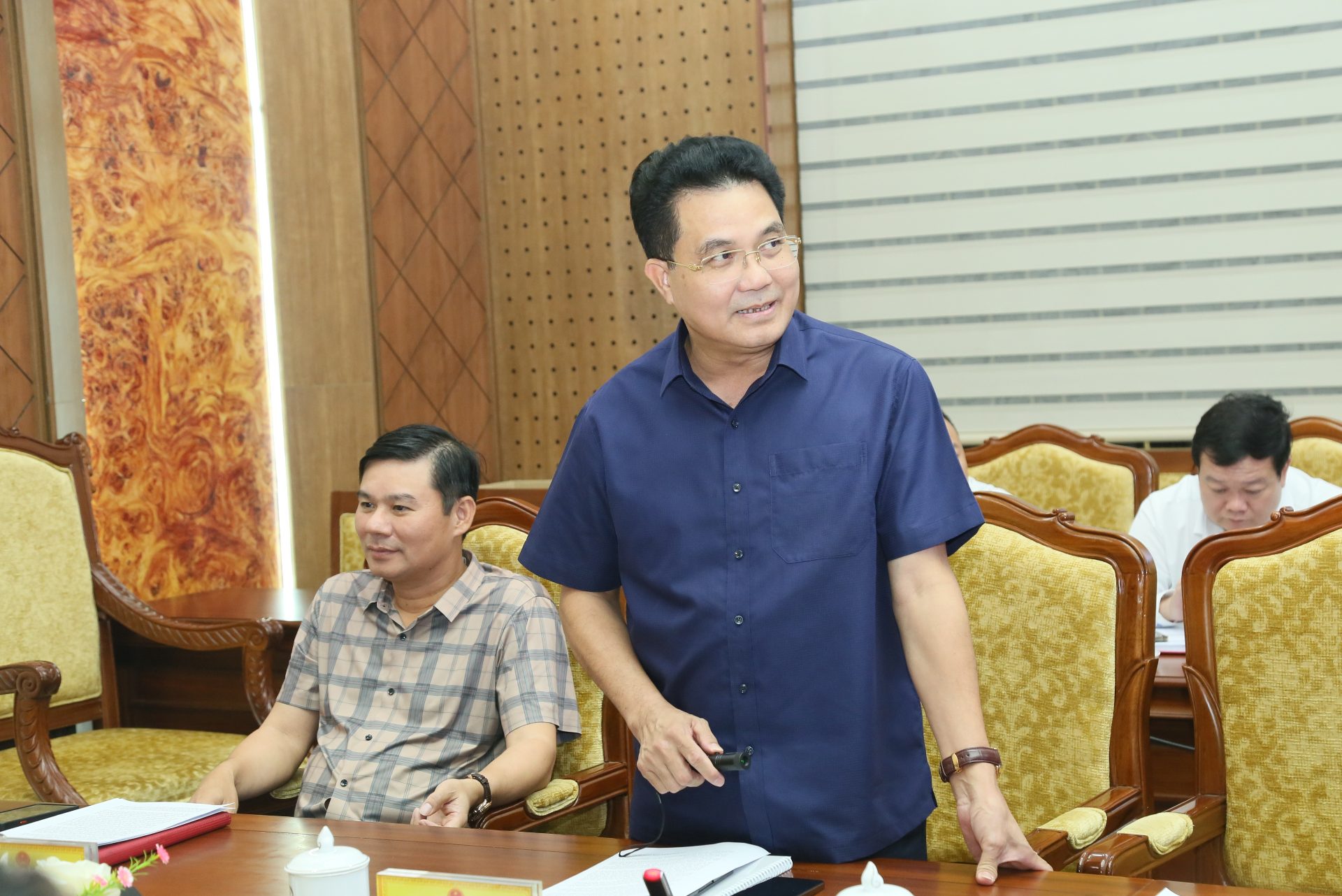
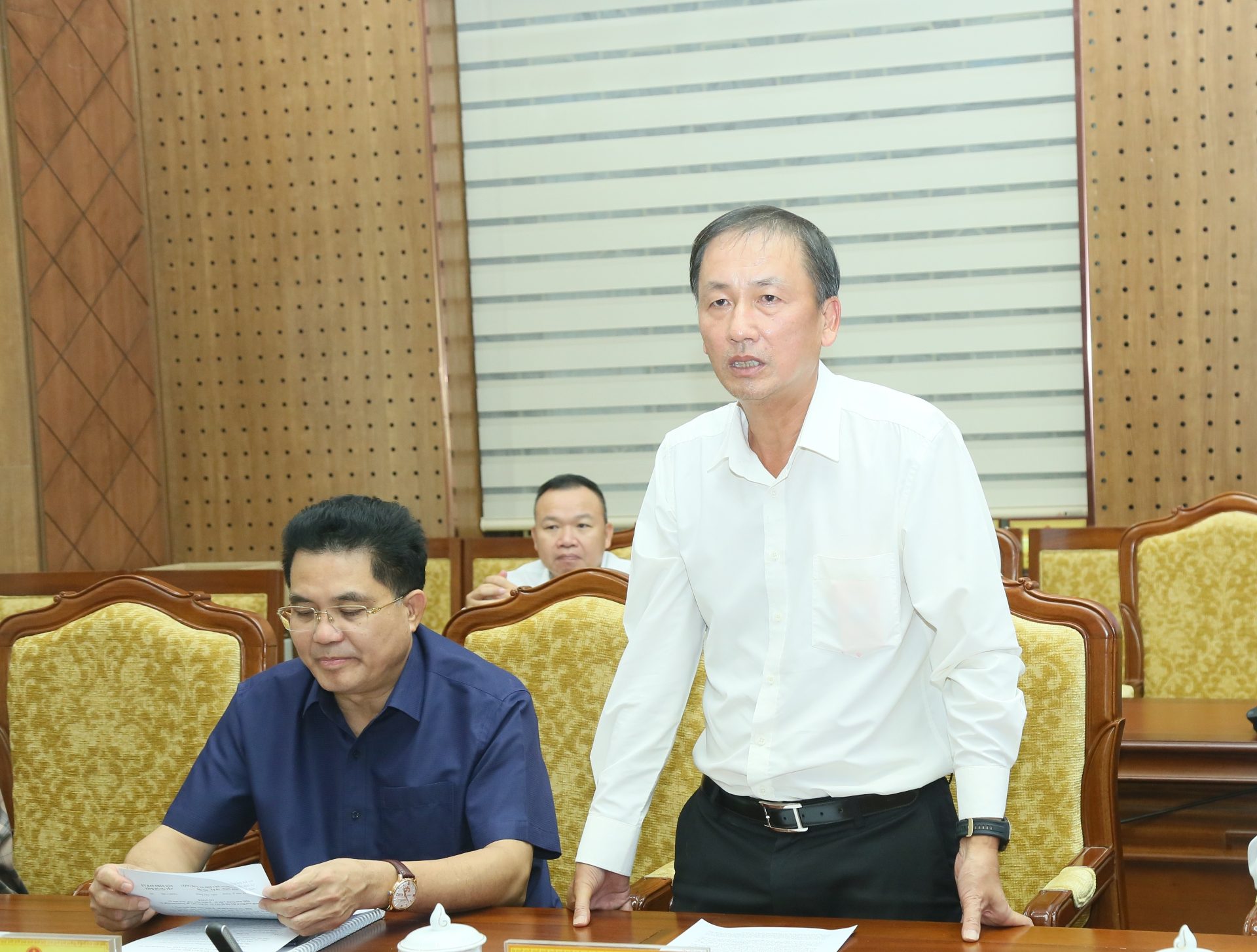
Mr. Le Quang Hoa, Vice Chairman of the Provincial People’s Committee, speaks at the meeting.
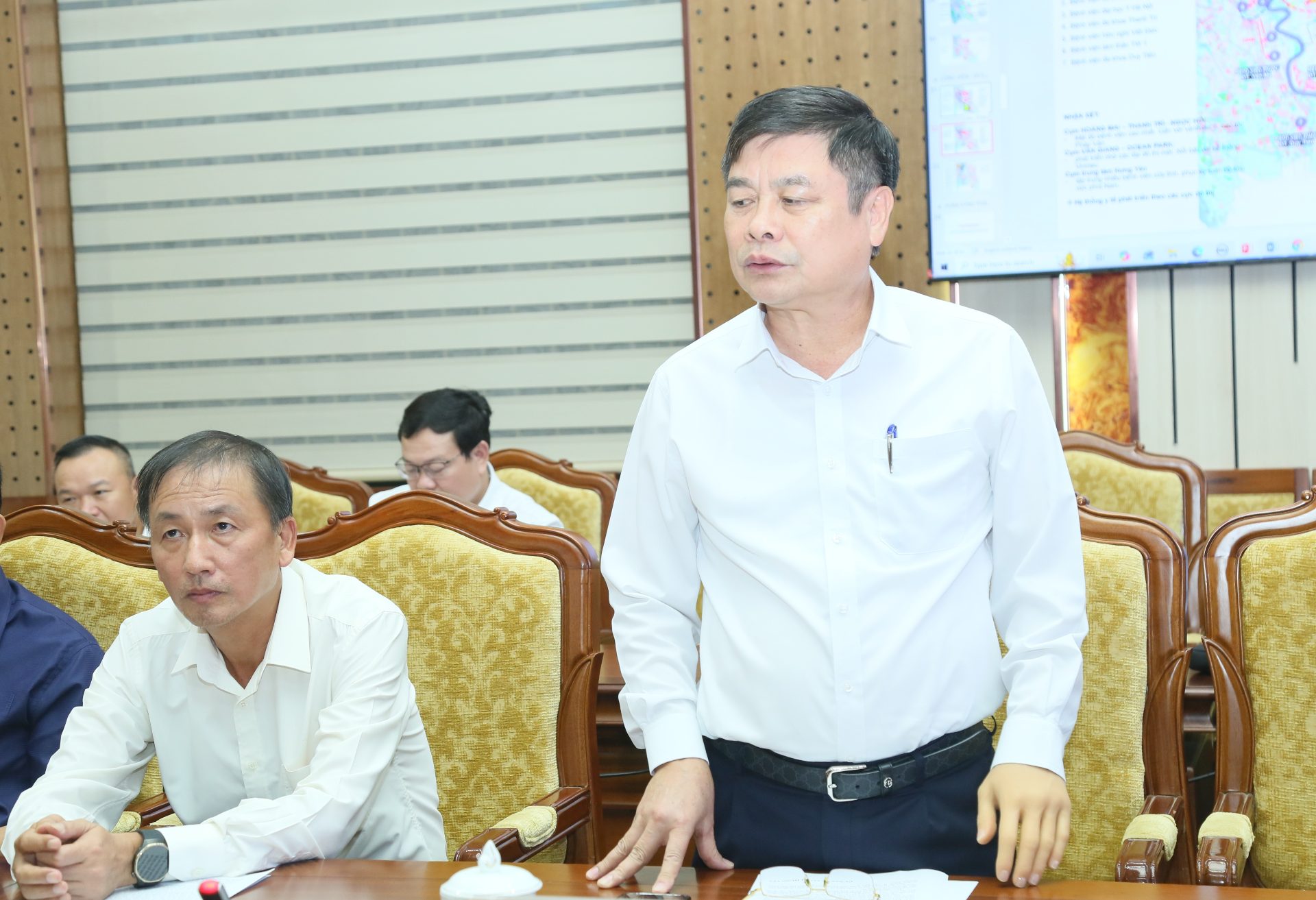
Mr. Nguyen Hung Nam, Vice Chairman of the Provincial People’s Committee, speaks at the meeting.
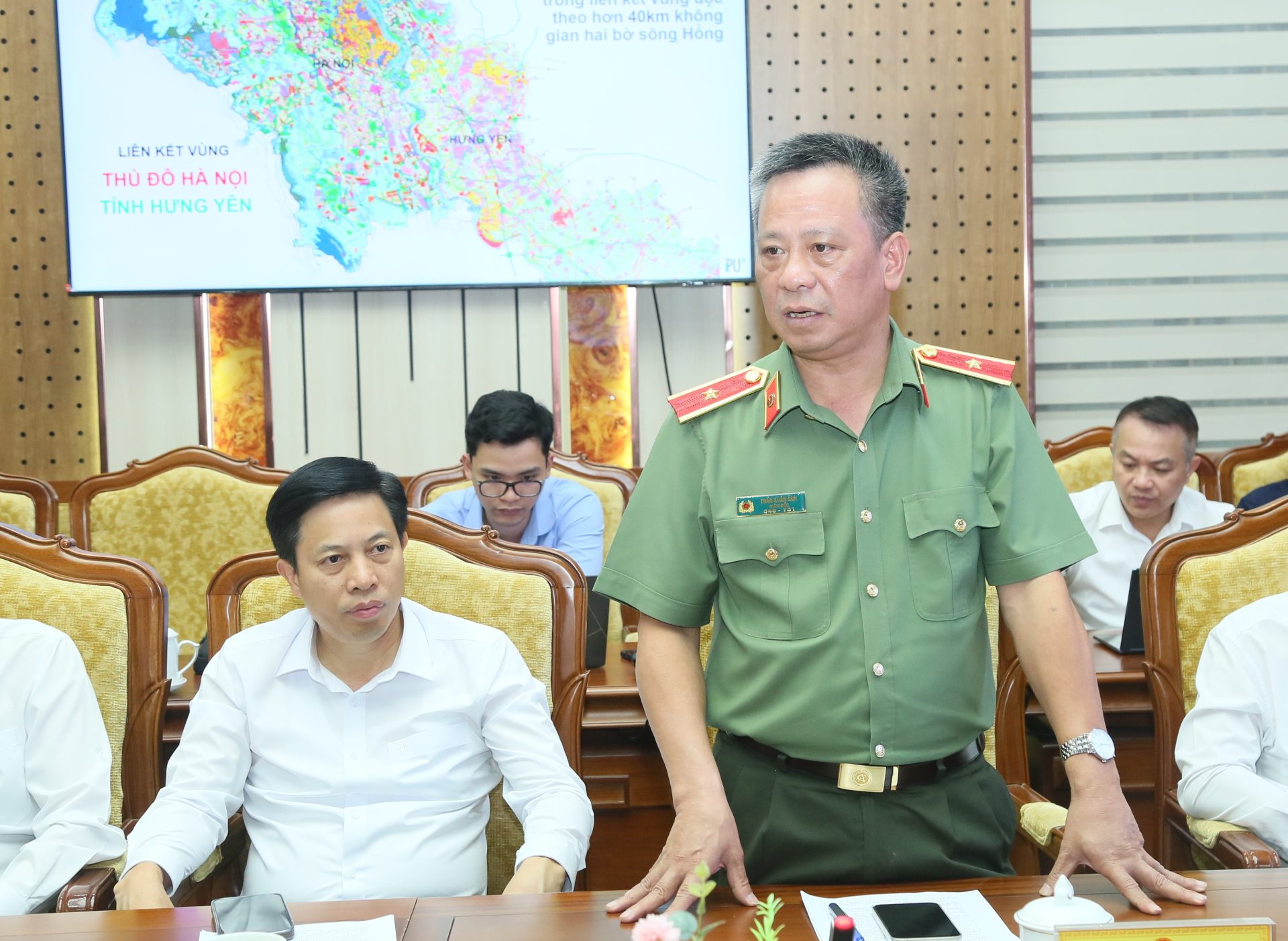
Mr. Pham Van Nghiem, Vice Chairman of the Provincial People’s Committee, speaks at the meeting.
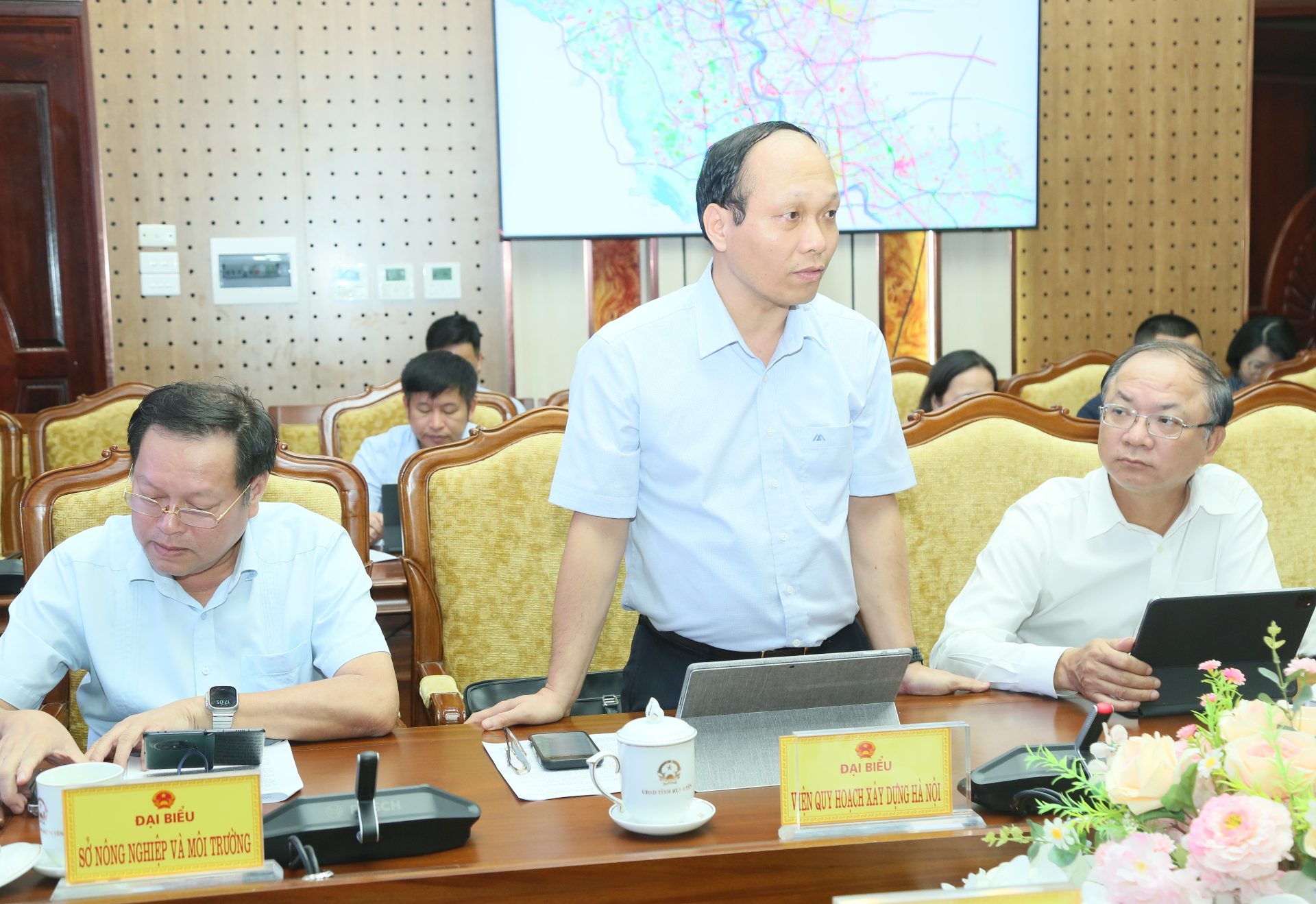
Major General Tran Xuan Anh, Director of the Provincial Public Security, speaks at the meeting.
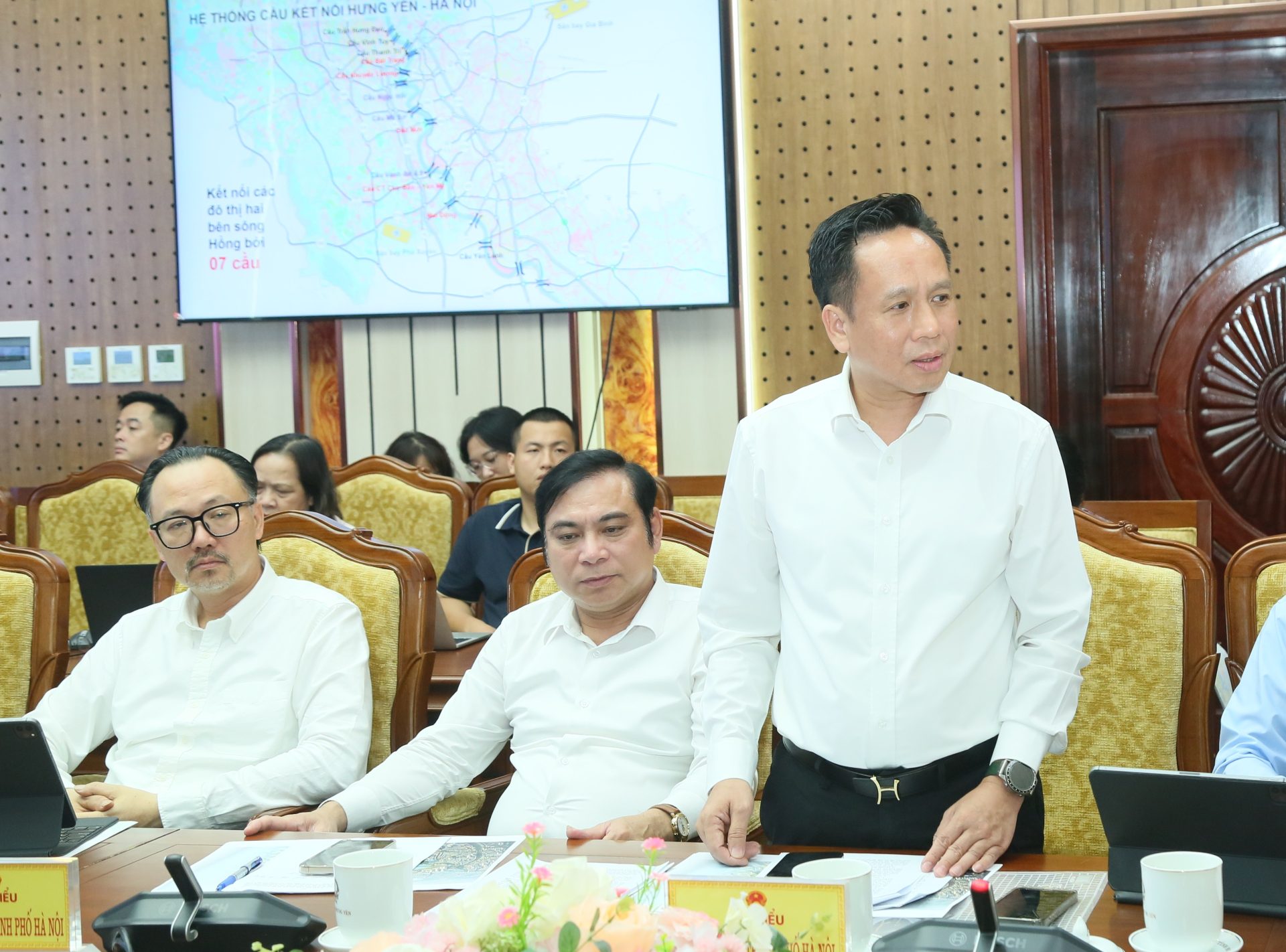
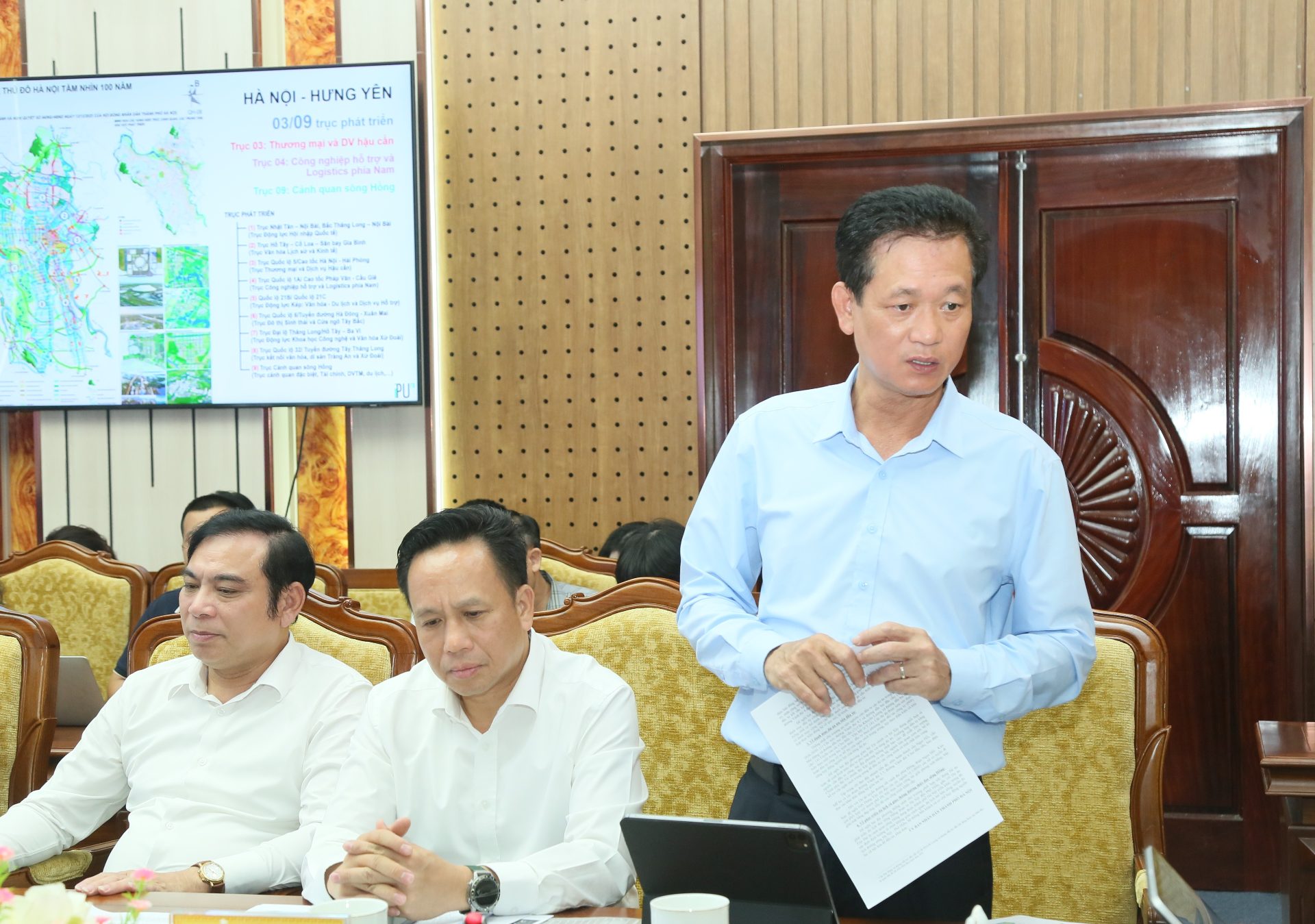
Leaders of various departments and agencies of Hanoi speak at the meeting.
During the meeting, both sides engaged in discussions and the exchange of experiences, visions, and strategic development orientations for the coming period. Hung Yen province proposed that Hanoi collaborate on investing in and completing infrastructure projects, such as cross-Red River connections and inter-regional roads and explore extending Railway Line 8B to the Hung Yen international intermodal terminal, with a link to Gia Binh Airport. The two sides sought to align their urban development strategies for both banks of the Red River, coordinate efforts to resolve issues concerning projects that connect the Capital Region, and strengthen tourism cooperation by expanding tourism spaces and product chains, particularly those centered on heritage sites along the Red River. Furthermore, they discussed collaborating on the development of supply chains for agricultural products and industrial catering services for the Hanoi market, as well as providing support for the development of educational and healthcare infrastructure within Hung Yen province. These initiatives aim to effectively leverage the unique advantages of each locality, optimize the use of available resources, and expand the scope for green, smart, and modern development.
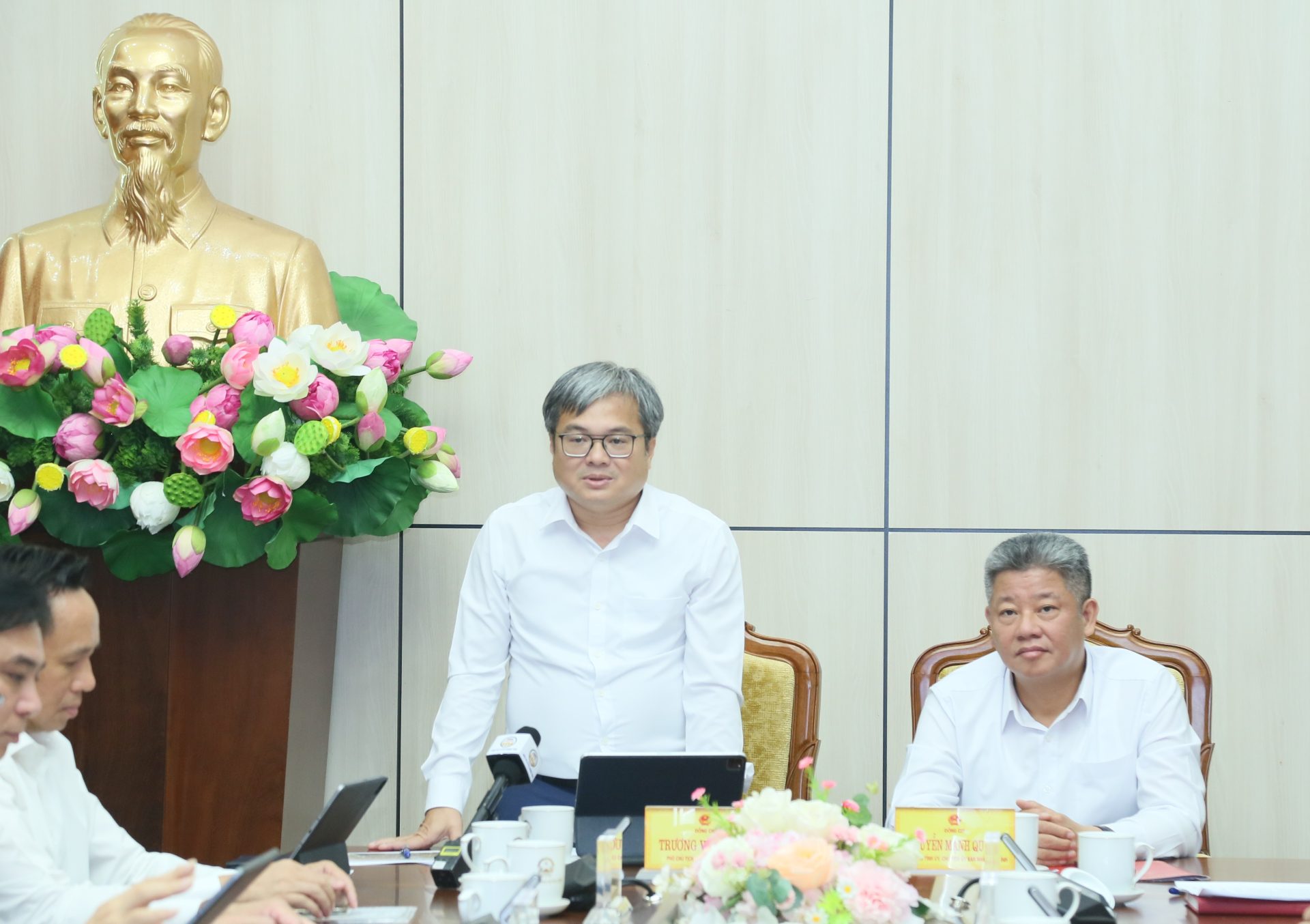
Vice Chairman of the Hanoi Municipal People’s Committee Truong Viet Dung speaks at the meeting
Speaking at the meeting, Vice Chairman of the Hanoi Municipal People’s Committee Truong Viet Dung highly commended the leadership, strategic approach, and development orientation of Hung Yen province. He affirmed that Hanoi stands ready to collaborate with Hung Yen based on the consensus reached and is fully committed to the implementation process.
He noted that Hanoi is currently focusing on key tasks across several sectors: urban planning, healthcare, public investment, science and technology, digital transformation, and infrastructure development. Hanoi is prepared to share its models for elderly healthcare and cooperate on specialized medical services. Furthermore, the city is open to exchanging experiences on accelerating public investment disbursement, deploying urban management camera systems, developing and utilizing databases, and applying artificial intelligence.
Elaborating on potential areas for future cooperation, Vice Chairman of the Hanoi Municipal People’s Committee Truong Viet Dung addressed the industrial sector, specifically high-tech zones and the semiconductor industry. He proposed that, rather than competing, Hanoi and Hung Yen should integrate into a shared value chain: Hanoi could focus on research, development, and design, while Hung Yen could handle complementary stages such as manufacturing and packaging. This would foster a cohesive link between the industrial and high-tech zones of both localities.
Regarding transportation, the two sides should prioritize the alignment of road networks and urban railway lines. This includes studying the extension of transport links to Hung Yen to ensure connectivity with Hanoi’s railway network, as well as the routes extending toward Hai Phong and local airports, thereby ensuring planning consistency and minimizing the need for future adjustments during implementation.
In the tourism sector, Hanoi and Hung Yen should develop joint tourism products and routes that leverage their respective strengths in heritage, culture, and landscapes; researching new tourism models and routes aimed at attracting visitors for longer stays. Both localities should also strengthen logistics cooperation, organize a shared development space, integrate freight transport, and establish logistics hubs, leveraging Hanoi as a major market, while utilizing Hung Yen’s strategic advantage in connecting with Hai Phong and other regional localities.
.jpg)
Mr. Nguyen Manh Quyen, Deputy Secretary of the Provincial Party Committee and Chairman of the Provincial People's Committee, speaks at the meeting.
In his concluding remarks, Mr. Nguyen Manh Quyen, Deputy Secretary of the Provincial Party Committee and Chairman of the Provincial People's Committee, affirmed that the cooperative discussions between Hung Yen and Hanoi serve as a vital foundation for further concretizing joint initiatives and fostering integration and development between the two localities.
He noted that Hung Yen is currently focusing on the comprehensive development of its technical infrastructure, including water supply systems, waste treatment, and environmental protection, while also restructuring the water supply network and planning for integrated waste treatment complexes. Furthermore, the province is firmly committed to eradicating poverty by 2026; this includes an aggressive campaign to replace temporary or dilapidated housing for impoverished and disadvantaged households, alongside providing support for employment, production tools, access to credit, and housing, thereby helping residents achieve stable livelihoods.
Additionally, Hung Yen is in the process of planning and shaping 18 urban areas, working incrementally to meet urban development criteria with the goal of fully satisfying all regulatory requirements before 2030. Regarding economic development, following a nine-month growth performance that exceeded initial projections, the province is determined to reach its annual growth target of 11.5% or higher in 2026. Notably, Hung Yen is currently conducting several large-scale investment projects, including those backed by enterprises from the United States and Japan, as well as an automobile manufacturing project, which are providing fresh momentum for growth. At the same time, the province is developing plans, roadmaps, and solutions to sustain this growth trajectory over the next 5 to 10 years.
Regarding digital transformation, the Deputy Secretary of the Provincial Party Committee and Chairman of the Provincial People's Committee stated that Hung Yen views it as a vital foundation for enhancing governance capacity and driving socio-economic development. The province has outlined 184 tasks to be completed by 2030, with 135 of these slated for implementation as early as 2026. The goal is to position Hung Yen among the top five provinces and cities nationwide in terms of digital transformation. The key priorities include strengthening digital infrastructure, digitizing data, and establishing data centers and operational command centers. Furthermore, the province is promoting the use of advanced technology and artificial intelligence in land management and site clearance. By digitizing data and utilizing tools such as drones (flycams) and analytical software, authorities can accurately determine current land status, boundaries, and areas, as well as calculate compensation rates, thereby accelerating the inventory and verification process while minimizing potential disputes.
In the environmental sector, Hung Yen highly values the collaborative efforts between the two localities to address pollution within the Bac Hung Hai river system. Simultaneously, the province is advancing initiatives related to transport infrastructure, urban beautification, and wastewater management, including the construction of wastewater treatment plants, with the aim of creating a green, clean environment that supports socio-economic development and improves the quality of life for its residents.
Situated in the heart of the Red River Delta and bordering Hanoi, Bac Ninh, Hai Phong, and Ninh Binh, Hung Yen possesses significant advantages to serve as a central hub, fostering regional connectivity and driving development. He expressed confidence that, building upon the achievements and the close coordination between the two localities, the areas of cooperation will be further concretized. This, in turn, will provide additional momentum for Hung Yen’s rapid and sustainable development, while contributing positively to the overall progress of the region and the country as a whole.