The Provincial People’s Committee reviews and provides feedback on key matters
On the afternoon of October 15, comrade Nguyen Manh Quyen, Deputy Secretary of the Provincial Party Committee and Chairman of the Provincial People’s Committee, chaired a meeting to hear a report of the Department of Finance regarding the proposed medium-term public investment plan for the 2026–2030 period, as well as the organization plan for the first Hung Yen Province Flower Festival in 2026. In the attendance were members of the Provincial Party Committee’s Standing Board, leaders of the Provincial People’s Committee, and heads of relevant departments, agencies, and units.
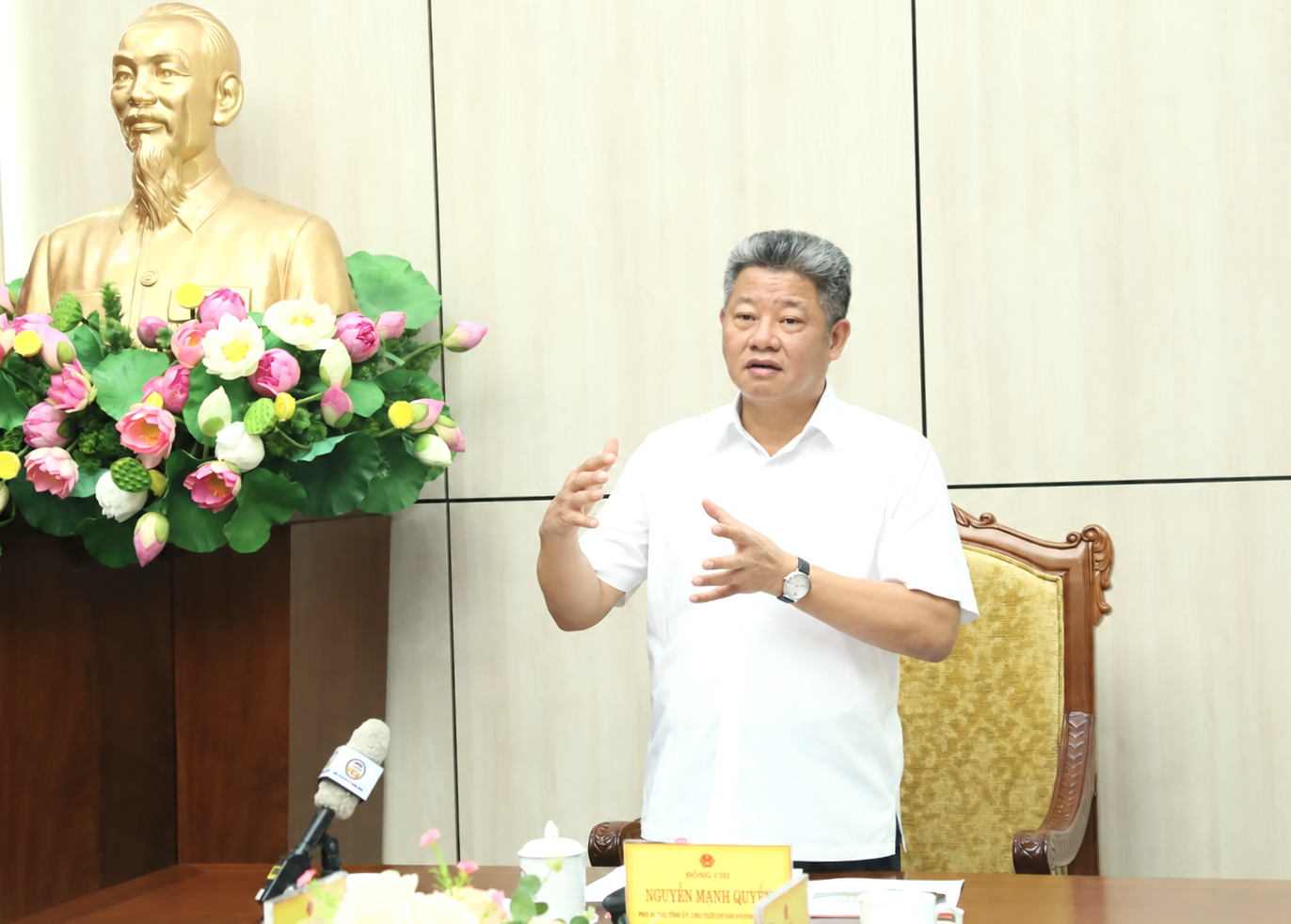
Comrade Nguyen Manh Quyen, Deputy Secretary of the Provincial Party Committee and Chairman of the Provincial People’s Committee, delivers directives at the meeting.
To focus investment on transport infrastructure, particularly inter-regional connecting routes and links between key development zones within the province.
According to the report of the Department of Finance, the total projected public investment plan from the local budget for the 2026–2030 period is 232.592 trillion VND. It includes 14.273 trillion VND from the centralized budget; 528 billion VND from lottery revenue; 209.6 billion VND in support from the Hanoi municipal budget; 200 trillion VND from land-use levy revenue (of which 30 trillion VND is allocated to the central budget and 170 trillion VND to the local budget); and 47.581 trillion VND from budget surpluses, revenue increases, and carried-over funds earmarked for public investment.
Regarding the allocation strategy for the medium-term public investment plan from the local budget, the capital managed at the provincial level is projected to be 180.205 trillion VND. Of this total, public investment capital amounts to 180,081 billion VND, comprising: 3,000 billion VND allocated for investment preparation, planning tasks, and site clearance; 14,802 billion VND for provincial-level programs and tasks; 155,182 billion VND allocated specifically to works and projects; and approximately 7,096 billion VND held as a contingency fund for unforeseen requirements. Other development investment capital totals 124 billion VND, consisting of 112.6 billion VND for the repayment of the principal loan from the Vietnam Joint Stock Commercial Bank for Industry and Trade (VietinBank) for the construction of the Thai Binh Children’s Hospital, and 11.3 billion VND for land surveying, land registration, the issuance of land use right certificates, the development of a land database, the registration of land-related changes, and the updating of cadastral records.
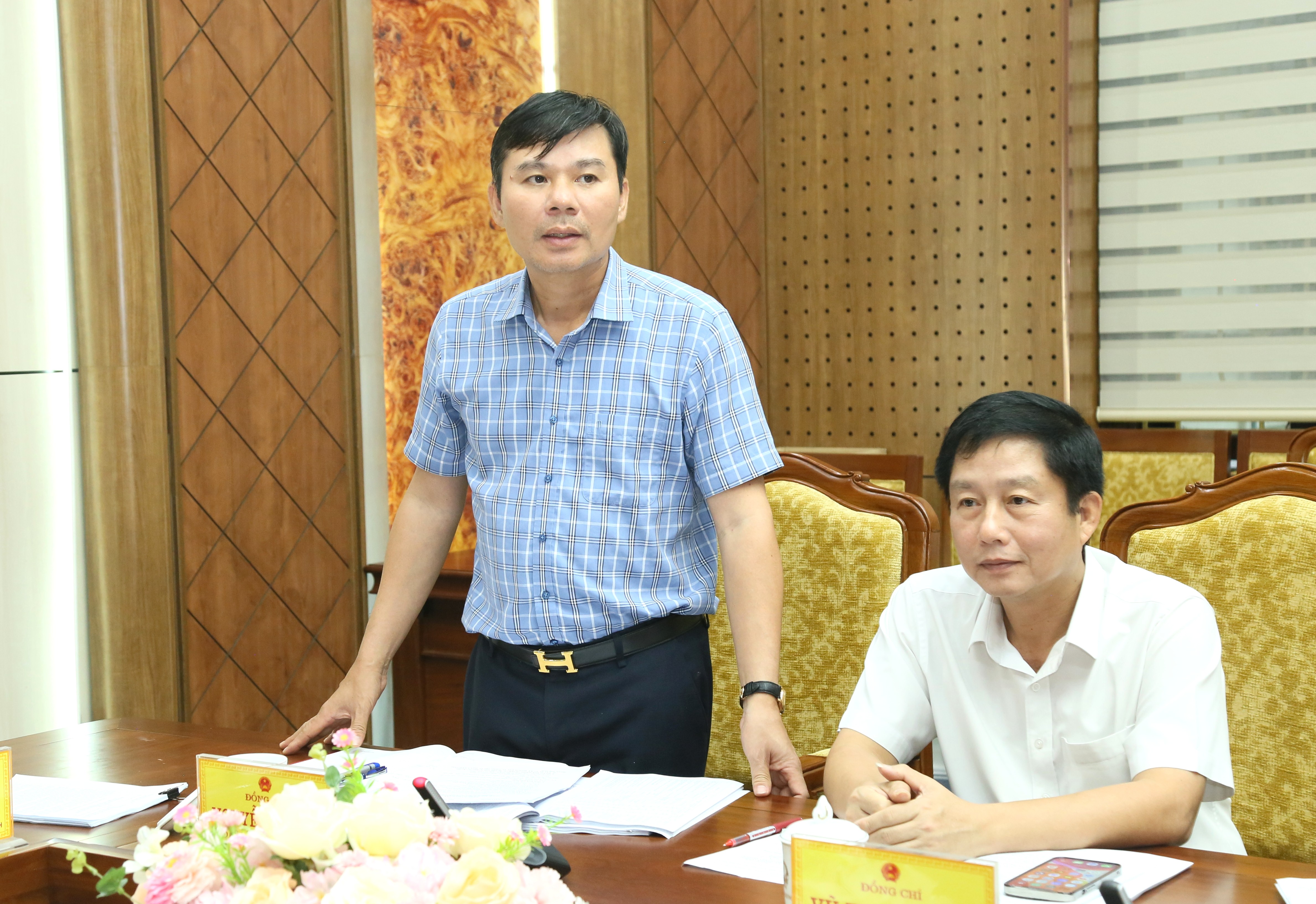
Mr. Nguyen Le Huy, Standing Vice Chairman of the Provincial People’s Committee, speaks at the meeting.
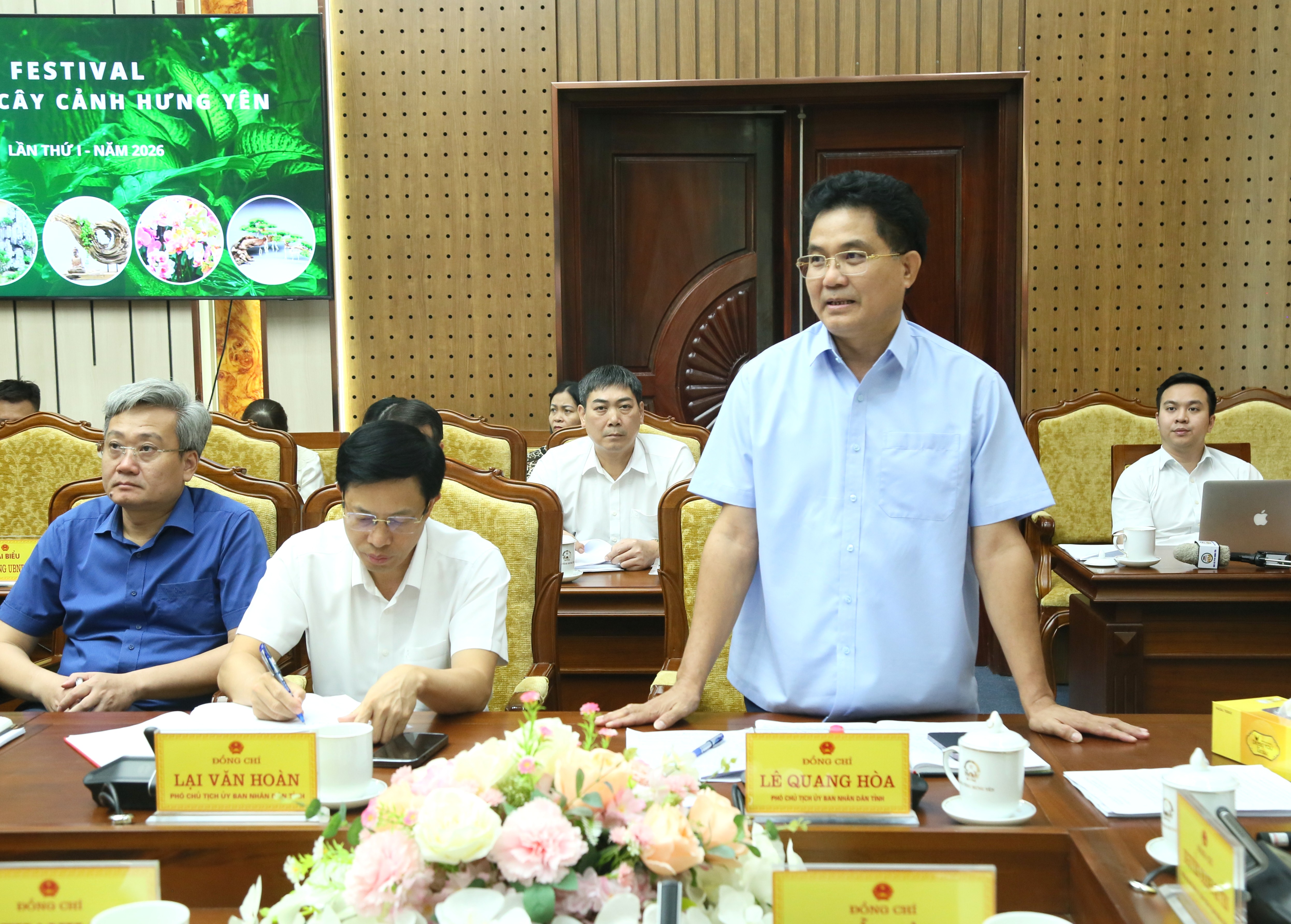
Mr. Le Quang Hoa, Vice Chairman of the Provincial People’s Committee, speaks at the meeting.
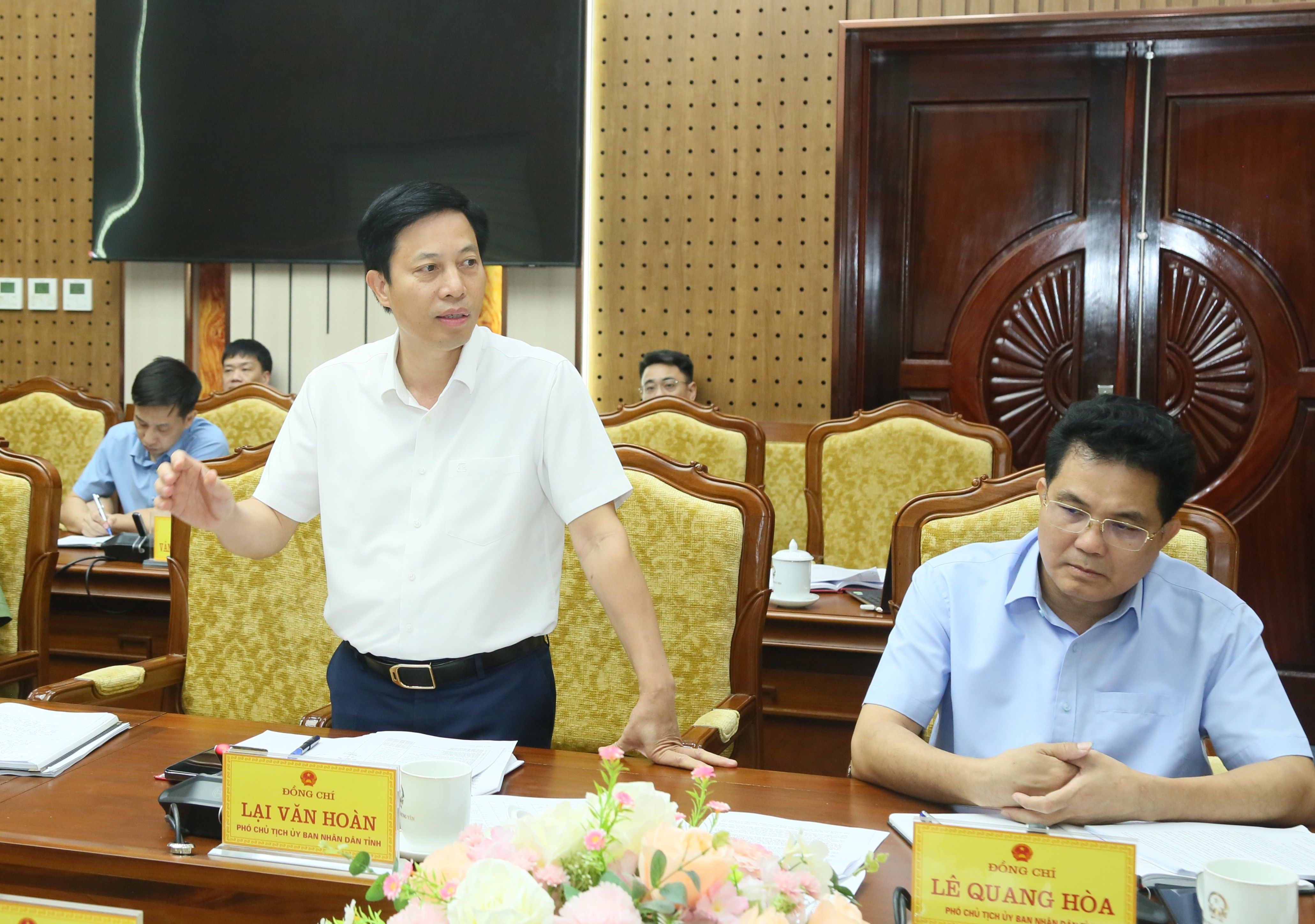
Mr. Lai Van Hoan, Vice Chairman of the Provincial People’s Committee, speaks at the meeting.
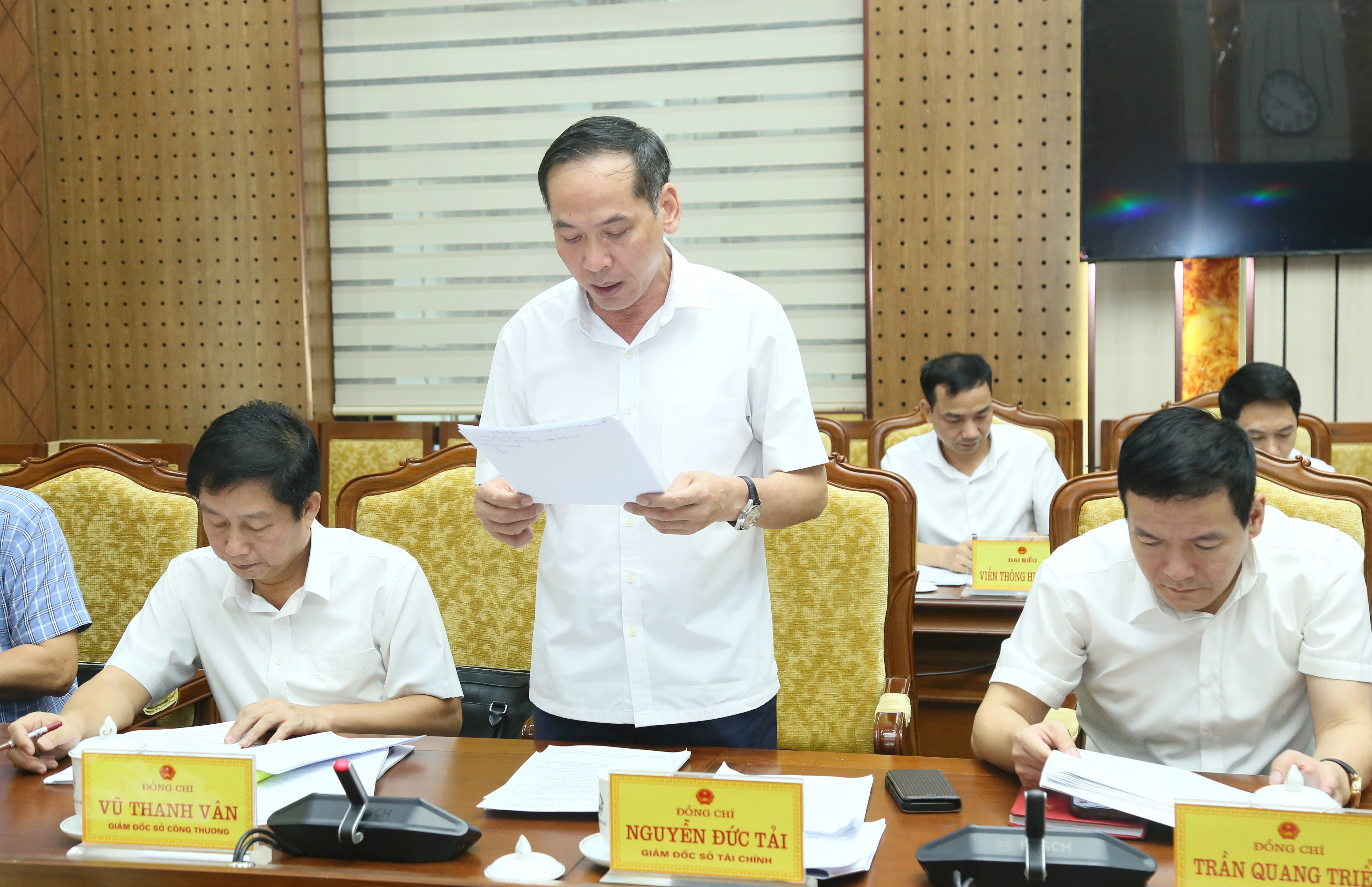
Leader of the Department of Finance reports at the meeting.
The capital managed at the commune level is projected at 52,387 billion VND, consisting of 2,387 billion VND from the centralized budget decentralized to the commune level, and 50,000 billion VND derived from land-use levy revenues. Communes and wards are tasked with proactively developing plans for the allocation of capital under their management, ensuring compliance with the Law on Public Investment as well as established principles and prioritization criteria for capital allocation.
The capital allocation plan and the list of projects have been developed based on the province’s development goals and strategic orientation, in alignment with the master plans approved by the competent authorities. Priority is given to projects that foster connectivity, generate momentum, create a ripple effect, and deliver socio-economic benefits. For ongoing projects, the review focuses on the necessity of continuous investment, the feasibility of completion within the 2026–2030 period, and alignment with the established master plan. New projects are subject to rigorous assessment regarding their urgency, investment efficiency, and the capacity to secure and absorb capital. Under the proposed plan, the total number of tasks, programs, and projects to be funded by the provincial budget is 1,219, a reduction of approximately 59.5% compared to the 2021–2025 period.
During the meeting, delegates discussed the list of programs, tasks, and projects slated for funding, as well as the availability of resources, the prioritization of initiatives, and the feasibility of their implementation.
In his remarks, comrade Nguyen Manh Quyen, Deputy Secretary of the Provincial Party Committee and Chairman of the Provincial People’s Committee, emphasized that the province has recently unveiled its master plan, which establishes a strategic framework for spatial development, technical infrastructure, and social infrastructure. Consequently, the task at hand is to promptly translate this master plan into a well-aligned investment portfolio that serves as a catalyst for development in the new phase. Public investment should function as "seed capital"; therefore, resources must be concentrated on foundational infrastructure and key projects that act as drivers for growth and generate a ripple effect, thereby attracting social resources, as well as domestic and international investment. Given the constraints on the provincial budget, the selection of projects must be carefully calculated with a long-term vision to ensure maximum efficiency, while avoiding the dilution of resources across projects that are not yet truly essential.
Regarding priorities, the primary focus should be on investing in transport infrastructure, specifically inter-regional connecting routes and links between key growth areas within the province, to facilitate production, business activities, and the circulation of goods. Simultaneously, it is essential to balance capital allocation for projects under national target programs, as well as initiatives that promote the development of agriculture and the maritime economy, ensuring a harmonious alignment between infrastructure development requirements and broader socio-economic goals.
For major, key projects, it is proposed that site clearance be separated into an independent project, with local authorities designated as the project owners, supported by an appropriate assistance mechanism. The planning and development of resettlement areas must be carried out in a synchronized manner, creating centralized zones equipped with essential infrastructure and ensuring a proactive land reserve for resettlement needs. Furthermore, efforts should be directed toward the efficient utilization of land reserves, including the organization of auctions in accordance with regulations to generate additional resources for reinvestment and development.
The Deputy Secretary of the Provincial Party Committee and Chairman of the Provincial People’s Committee requested that departments and agencies continue to review their respective project portfolios based on their assigned functions and duties. This includes clearly defining priorities, capital requirements, feasibility, and investment efficiency. Based on these inputs, the Department of Finance shall consolidate and finalize the proposal for submission to the Provincial People’s Committee for review and guidance.
Finalizing the plan for the 1st Hung Yen Province Flower Festival (2026)
According to the draft plan, the 1st Hung Yen Province Flower Festival (2026) is scheduled to take place in late December 2026 in Phung Cong commune, under the theme "The Fragrance and Beauty of the Heritage Land." This province-level event aims to honor the craft of floriculture and ornamental plant cultivation, promote the region’s image, culture, and traditional craft villages, while simultaneously fostering trade promotion, tourism development, and investment connections.
The festival is expected to attract between 150,000 and 200,000 visitors, along with 150–200 businesses and participants from 10–15 provinces and cities. It will feature approximately 150 booths showcasing products from craft villages, OCOP (One Commune, One Product) items, key local products, as well as offerings related to cuisine and tourism.
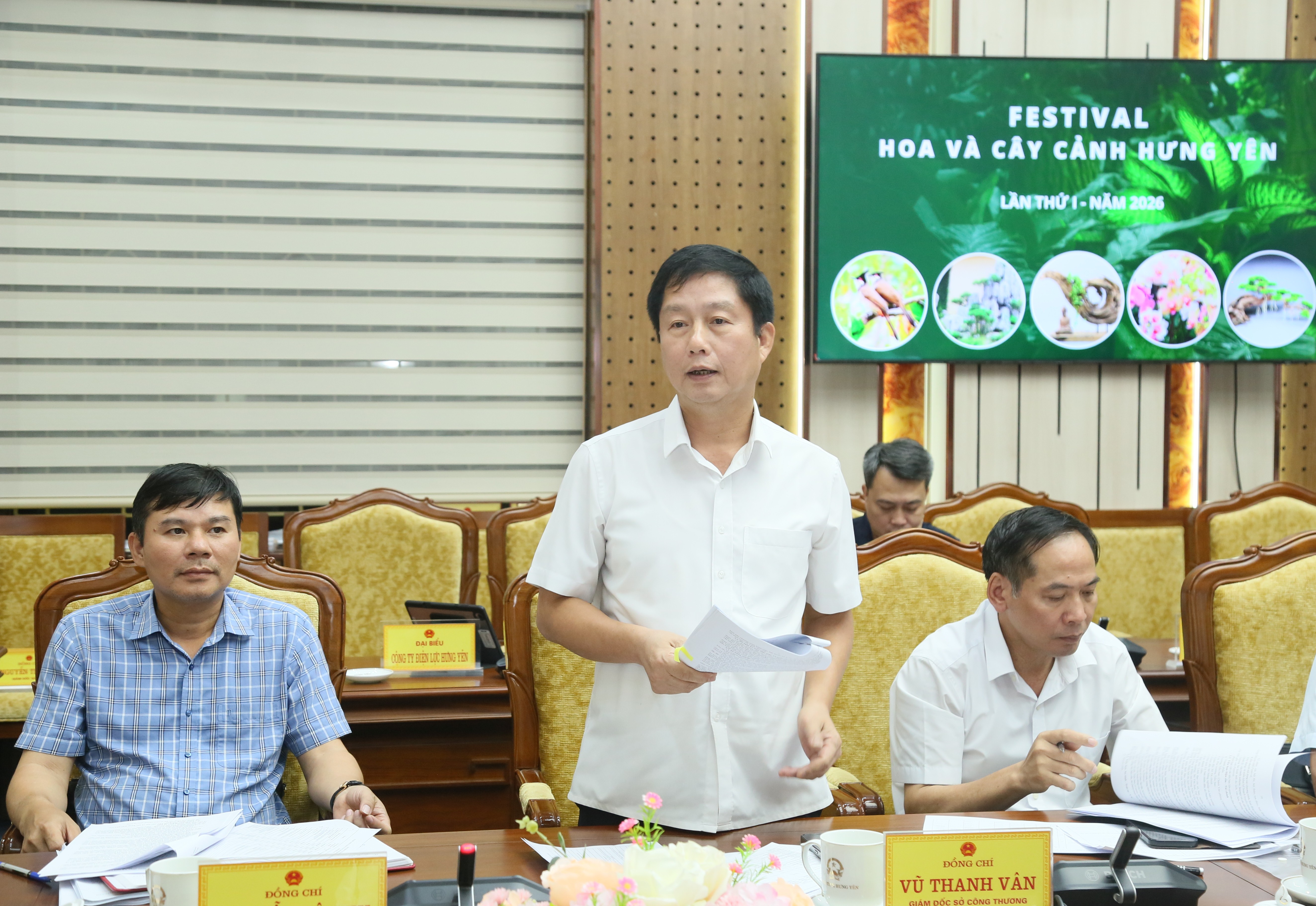
Director of the Department of Industry and Trade, Vu Thanh Van, discusses at the meeting.
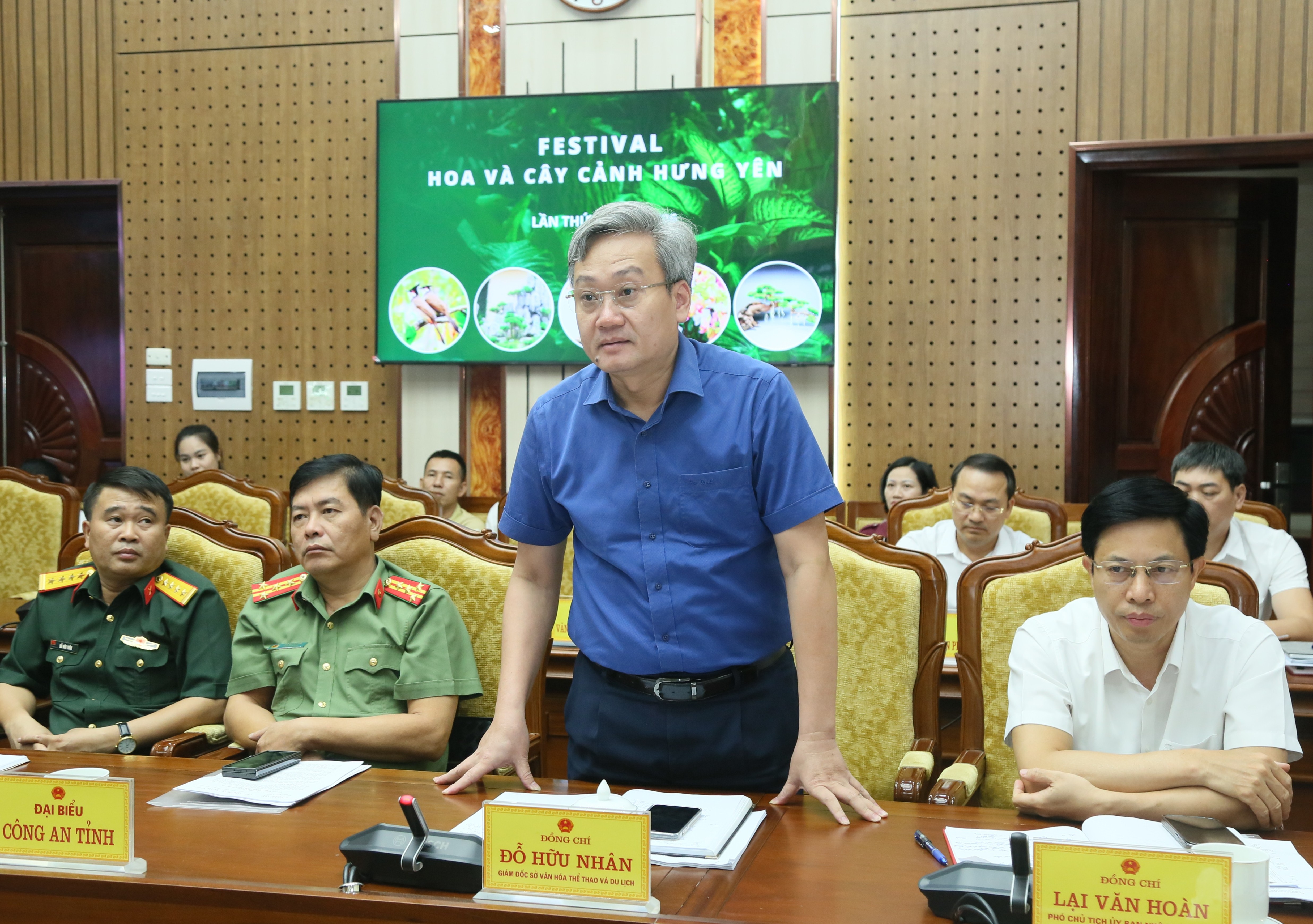
Leader of the Department of Culture, Sports and Tourism discusses at the meeting.
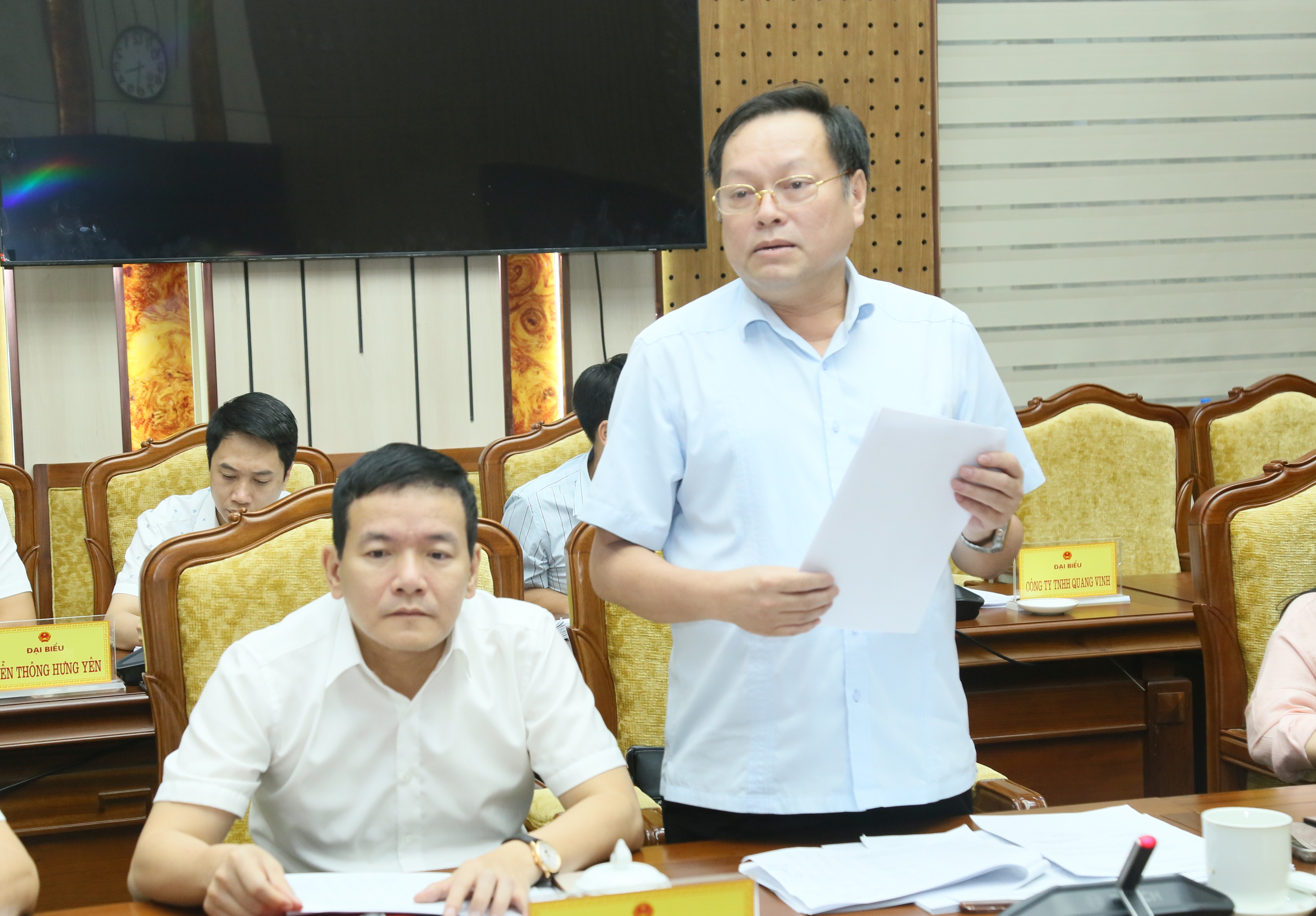
Leader of the Department of Agriculture and Environment discusses at the meeting.
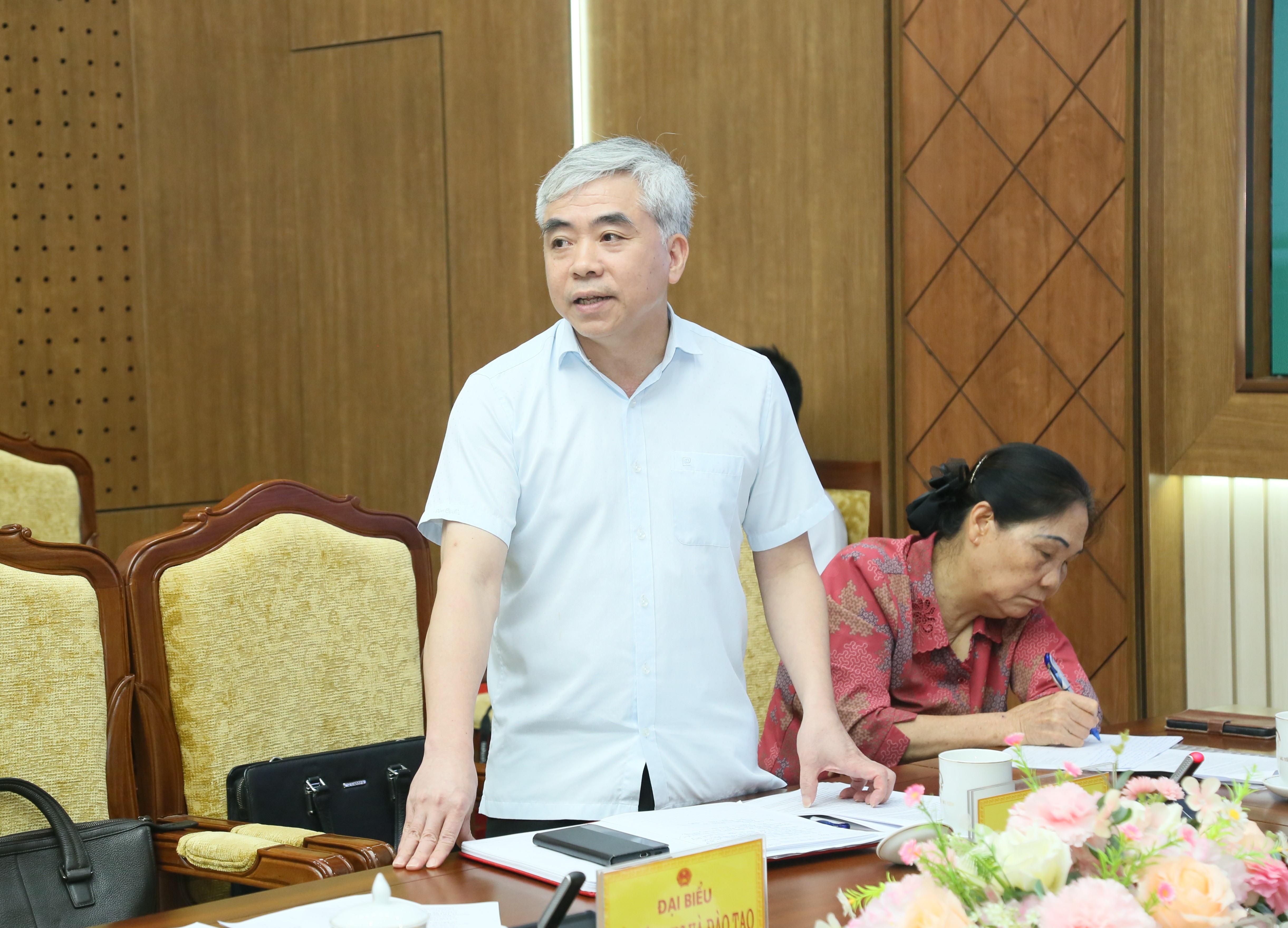
Leader of Phung Cong commune discusses at the meeting.
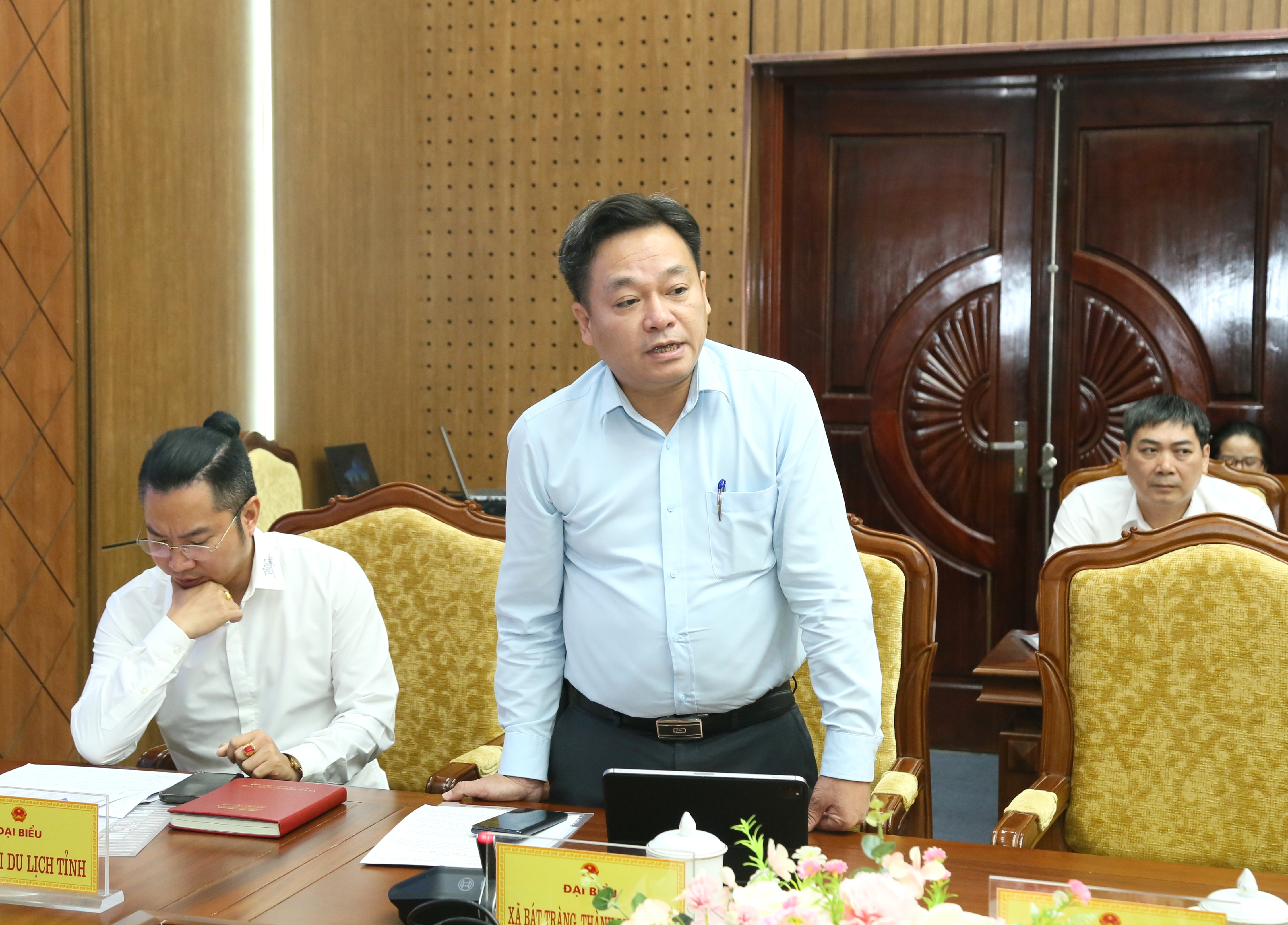
Leader of Bat Trang commune (Hanoi city) speaks at the meeting.
The key activities include: an opening ceremony; a float parade; exhibition spaces for flowers, ornamental plants, bonsai, orchids, artistic ornamental plants, and Bat Trang ceramics; a "flower road" featuring artistic landscape installations; and zones dedicated to trade promotion and local cuisine of Hung Yen and other participating localities.
The Festival will feature competitions for ornamental plants; networking and experience-sharing sessions among artisans and gardeners; auctions of artistic ornamental plants and ceramic works; scientific seminars on the development of the flower and ornamental plant industry; as well as cultural and artistic performances, craft village experiences, and the use of digital technology for visitors. Planned experiential tours will connect the flower and ornamental plant villages of Phung Cong and Xuan Quan with the Bat Trang ceramic village, alongside other local tourist attractions and historical and cultural sites. Through these initiatives, the Festival aims to evolve into a distinctive cultural and tourism event, one that enhances the value of the flower and ornamental plant trade, fosters the economic development of craft villages, and eventually becomes an annual occurrence.
During the meeting, delegates focused their discussions on the Festival’s content, name, timing, agenda, and specific activities; they also deliberated on landscape and spatial arrangements, as well as the coordination required to organize the event; integrating digital technology into Festival activities.
.jpg)
The Deputy Secretary of the Provincial Party Committee and Chairman of the Provincial People's Committee delivers directives at the meeting.
In his remarks, the Deputy Secretary of the Provincial Party Committee and Chairman of the Provincial People's Committee acknowledged and highly commended the proactive approach and sense of responsibility demonstrated by the Organizing Board, the consulting firm, and the various departments, agencies, and localities involved in the collaborative process of researching and developing the Festival plan. He emphasized that this event is not merely a cultural occasion for viewing flowers and ornamental plants; it also aims to boost trade, services, and tourism, while promoting the province’s image and its signature products. Consequently, the organizational plan requires further thorough study and refinement to ensure it is comprehensive, well-coordinated, practical, and feasible.
Regarding specific aspects, he requested that the Organizing Board and the consulting firm incorporate the feedback provided during the meeting. He urged them to refine the Festival’s name to be more inclusive, fully reflecting the event’s objectives and content and carefully select a name and timing that are convenient for residents and visitors, thereby encouraging attendance, leisure, and shopping, which will help stimulate consumption and foster trade. Furthermore, he suggested designing gift products tailored to different target audiences, which are both practical and effective in promoting the province’s image, potential, and unique local products.
Concerning the logistics of the event, the Deputy Secretary of the Provincial Party Committee and Chairman of the Provincial People's Committee called for a meticulous review of all components, ensuring that resources are allocated in a rational, cost-effective, and efficient manner, in full compliance with regulations. He also requested an assessment of potential support for the participating localities, organizations, and businesses, within the scope of what is permitted. To focus on landscape enhancement, environmental sanitation, the arrangement of exhibition spaces, and service activities, ensuring an aesthetic and civilized environment, while creating favorable conditions for participating organizations, individuals, and visitors.
The Deputy Secretary of the Provincial Party Committee and Chairman of the Provincial People’s Committee noted that matters on which there are differing opinions require further study and a thorough assessment of practical conditions to ensure feasibility before a consensus is reached and the issues are submitted to the competent authorities for consideration and decision. In this process, it is essential to clearly define the ultimate objectives of the Festival: to promote trade, commerce, and tourism development, enhance the value of products, and showcase the province’s image.