The Provincial Party Committee’s Standing Board reviews various matters under its authority
On the morning of October 13, comrade Pham Quang Ngoc, member of the Party Central Committee and Secretary of the Provincial Party Committee, presided over a meeting of the Provincial Party Committee’s Standing Board to deliberate on several matters falling under its jurisdiction.
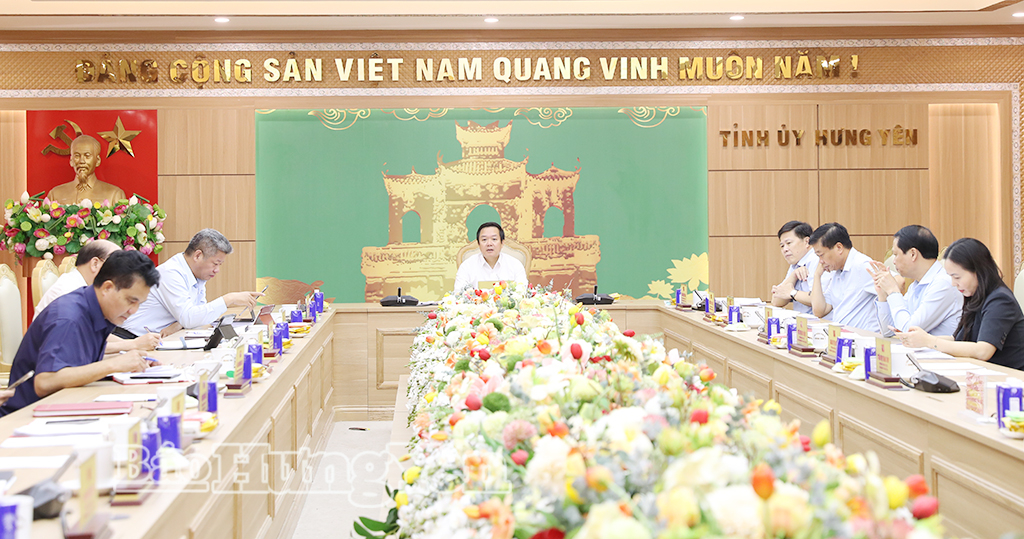
Comrade Pham Quang Ngoc, member of the Party Central Committee and Secretary of the Provincial Party Committee, presides over the meeting.
In the attendance were comrades: Tran Quoc Toan, Permanent Deputy Secretary of the Provincial Party Committee and Chairman of the Provincial Fatherland Front Committee; and Nguyen Manh Quyen, Deputy Secretary of the Provincial Party Committee and Chairman of the Provincial People's Committee; representatives of the Party Central Committee’s commissions, the Central Inspection Commission, and the Office of the Party Central Committee, and members of the Provincial Party Committee’s Standing Board.
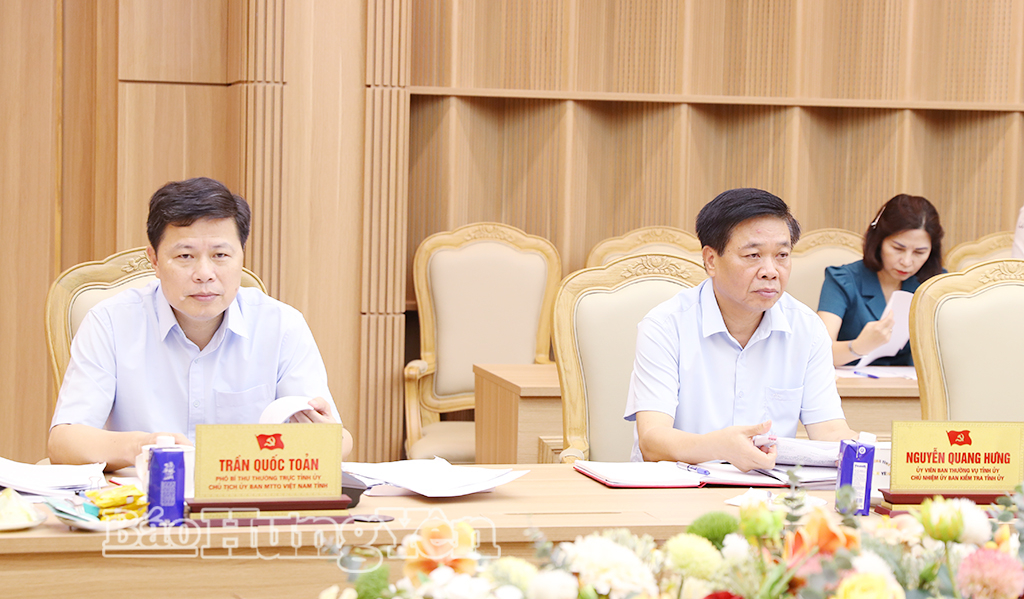
Comrade Tran Quoc Toan, Permanent Deputy Secretary of the Provincial Party Committee and Chairman of the Provincial Fatherland Front Committee, and delegates attend at the meeting.
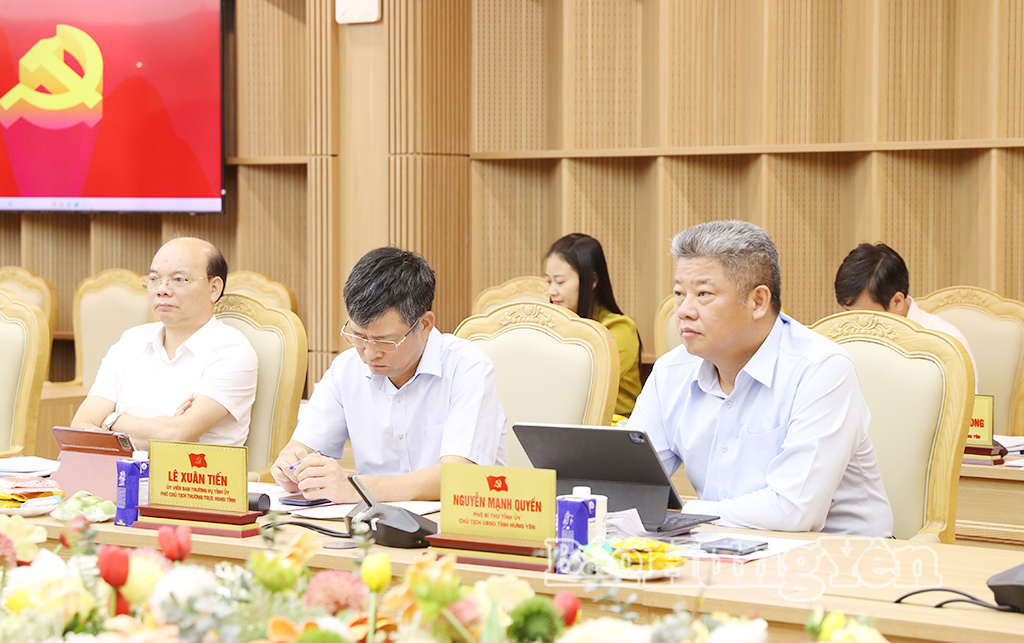
Comrade Nguyen Manh Quyen, Deputy Secretary of the Provincial Party Committee and Chairman of the Provincial People's Committee, and delegates attend at the meeting.
During the meeting, the advisory and supporting bodies, as well as Party committees directly under the Provincial Party Committee, presented five sets of issues. Specifically, the Provincial Party Committee’s Organization Commission reported on the termination of the provincial Steering Committee for the implementation of grassroots democracy; the nomination of officials, who fall under the management of the Provincial Party Committee’s Standing Board, for membership in the 12th Executive Committee of the Vietnam Journalists Association (for the 2026–2031 term); the approval of individual working plans in the fourth quarter of 2026 for officials managed by the Politburo and the Secretariat; and other personnel-related matters. The meeting addressed the work of the supervisory delegation established pursuant to Decision No. 693-QD/TU dated September 9, 2026, of the Provincial Party Committee’s Standing Board; the Inspection Commission of the Provincial Party Committee reported on the results of oversight regarding Party organizations and Party members under the management of the Provincial Party Committee’s Standing Board, pursuant to Decision No. 693-QĐ/TU dated September 9, 2026, issued by the Provincial Party Committee’s Standing Board. The Military Party Committee of the province reported on the issuance of a Directive by the Provincial Party Committee’s Standing Board concerning the selection and conscription of citizens for military service and service in the People’s Public Security in 2027. The Public Security Party Committee of the province reported on the issuance of a Directive by the Provincial Party Committee’s Standing Board on strengthening leadership and guidance regarding the assurance of economic security within Hung Yen province. The Party Committee of the Provincial People’s Committee reported on the following matters: the continuous allocation of land for the housing project for officers and personnel of the former Thai Binh Provincial Public Security (legacy project); the continuous allocation of land for a terraced housing project for officers of the former Thai Binh Provincial Military Command (legacy project); the continuous allocation of land for a terraced housing project for officers of the former Thai Binh Provincial Border Guard Command (legacy project); the establishment and construction of new public high schools in Hung Yen province for the 2026–2030 period; the issuance of a Resolution on leveraging the cultural identity and human potential of Hung Yen as a key driver for the province’s development from 2026 to 2030, with a vision toward 2045; and the outcomes regarding the handling of projects under the "751 system," as well as other projects and works that are behind schedule, stalled, or long-delayed, including the allocation and utilization of surplus state-owned facilities and land; addressing violations of land laws within Hung Yen province…
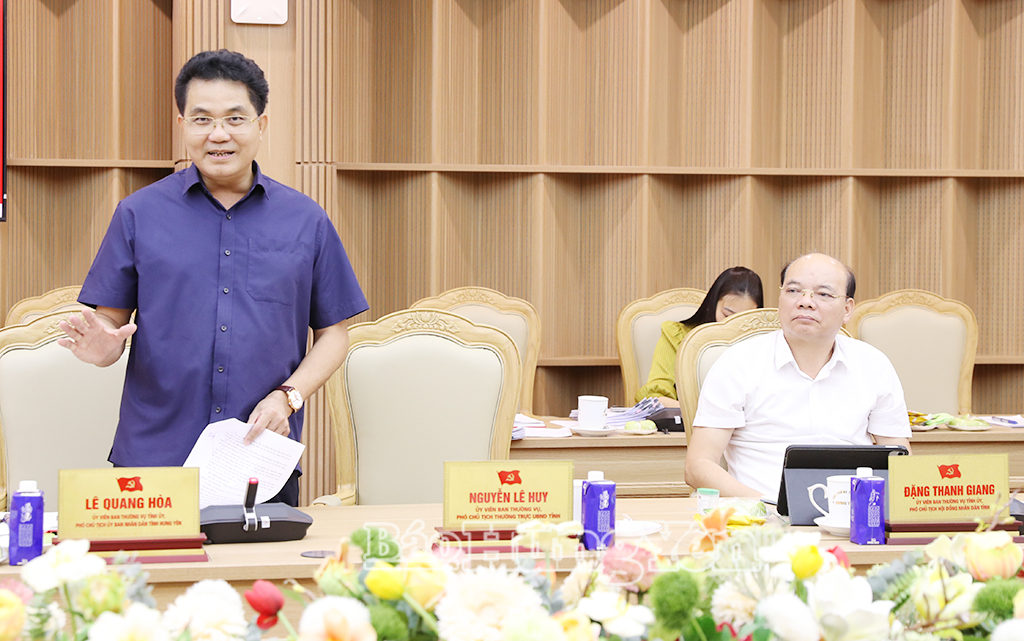
Mr. Le Quang Hoa, Member of the Provincial Party Committee’s Standing Board and Vice Chairman of the Provincial People’s Committee, speaks at the meeting.
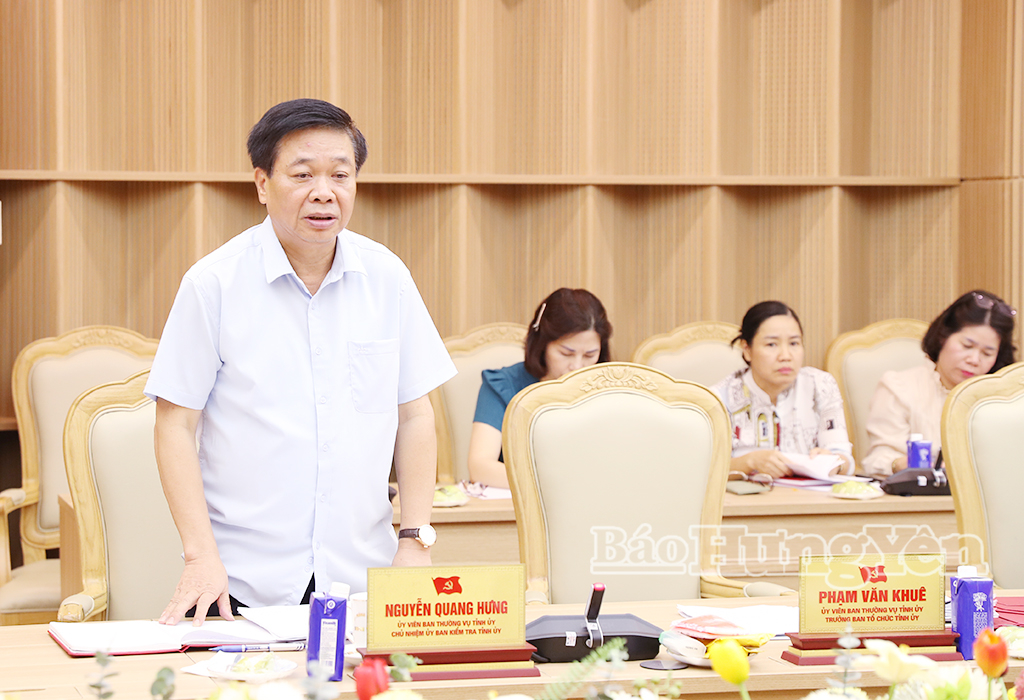
Mr. Nguyen Quang Hung, Member of the Provincial Party Committee’s Standing Board and Chairman of the Provincial Party Committee’s Inspection Commission, speaks at the meeting.
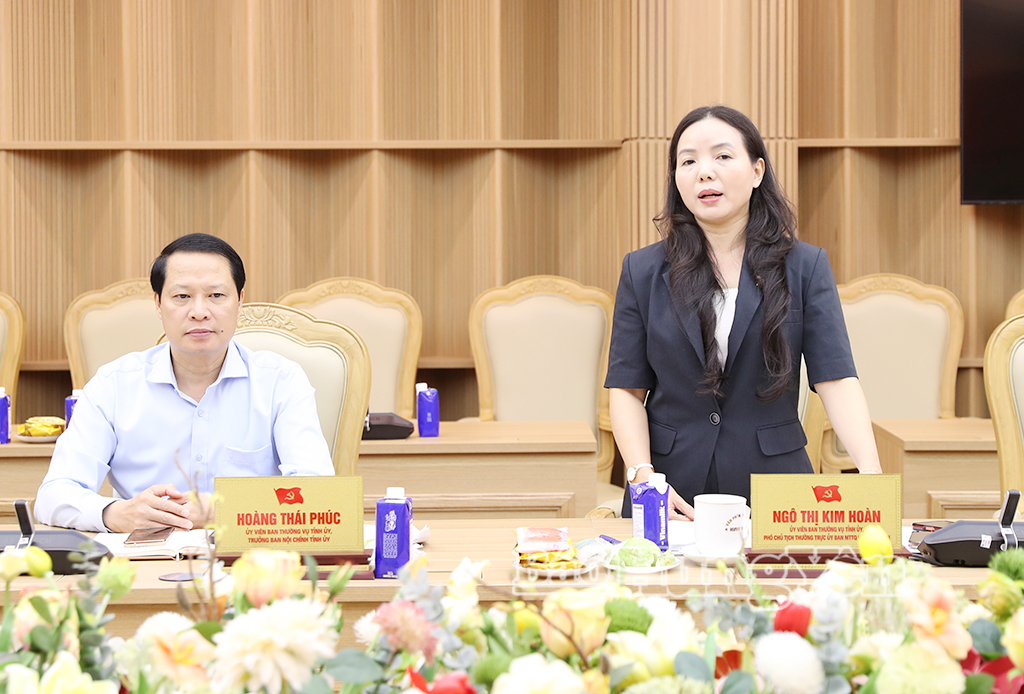
Ms. Ngo Thi Kim Hoan, Member of the Provincial Party Committee’s Standing Board and Standing Vice Chairwoman of the Vietnam Fatherland Front Committee of the province, speaks at the meeting.
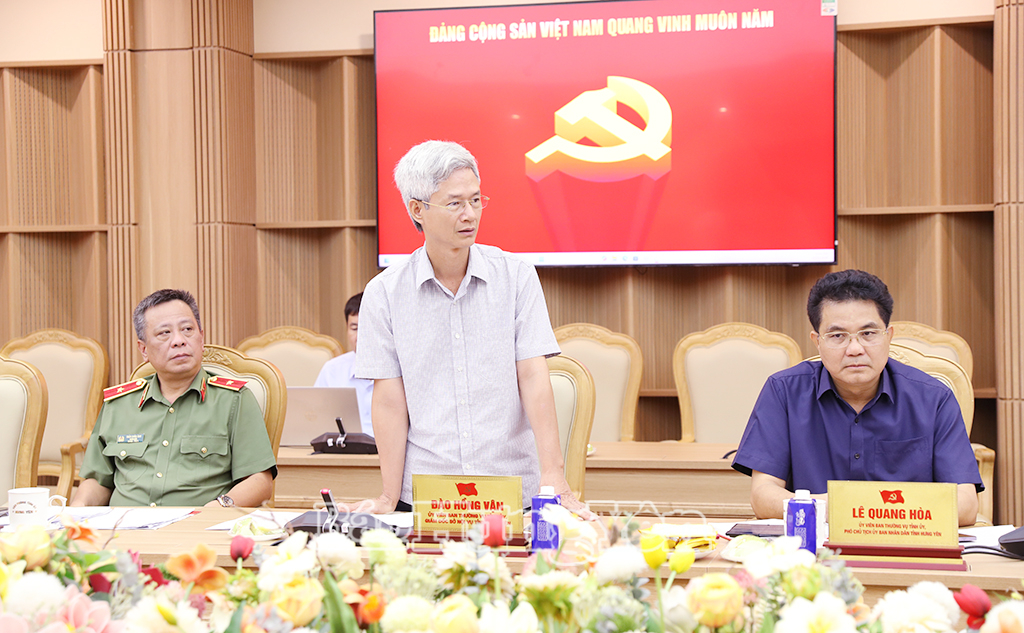
Mr. Dao Hong Van, Member of the Provincial Party Committee’s Standing Board and Director of the Department of Home Affairs, speaks at the meeting.
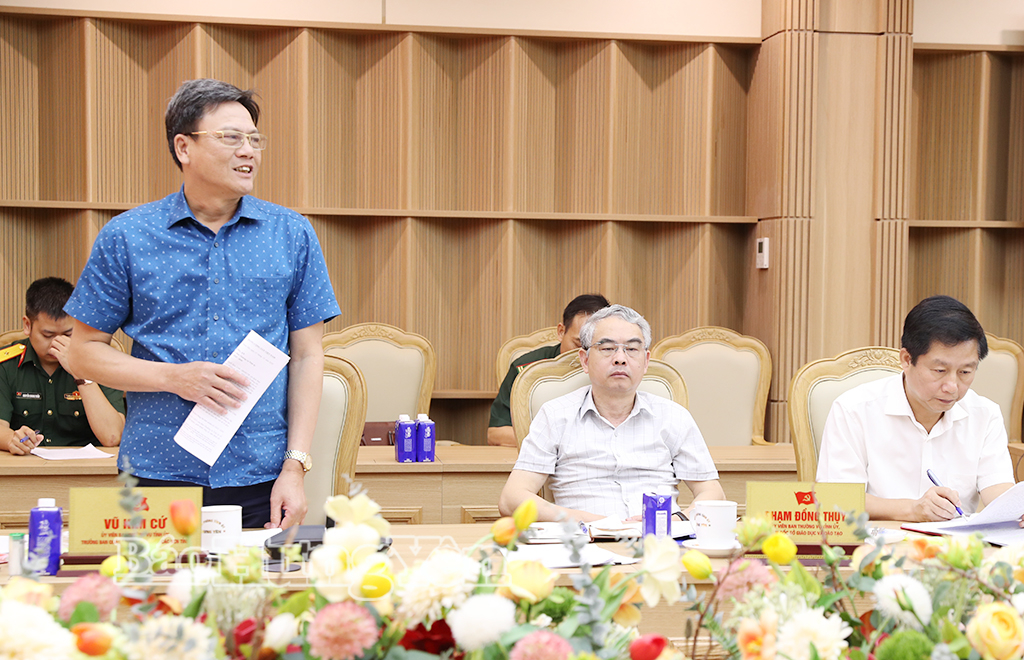
Mr. Vu Kim Cu, Member of the Provincial Party Committee’s Standing Board and Head of the Management Board of Economic Zones and Industrial Parks of the province, speaks at the meeting.
The Standing members of the Provincial Party Committee, Members of the Provincial Party Committee’s Standing Board engaged in discussions and provided specific input to help the relevant agencies and units refine the materials presented at the meeting.
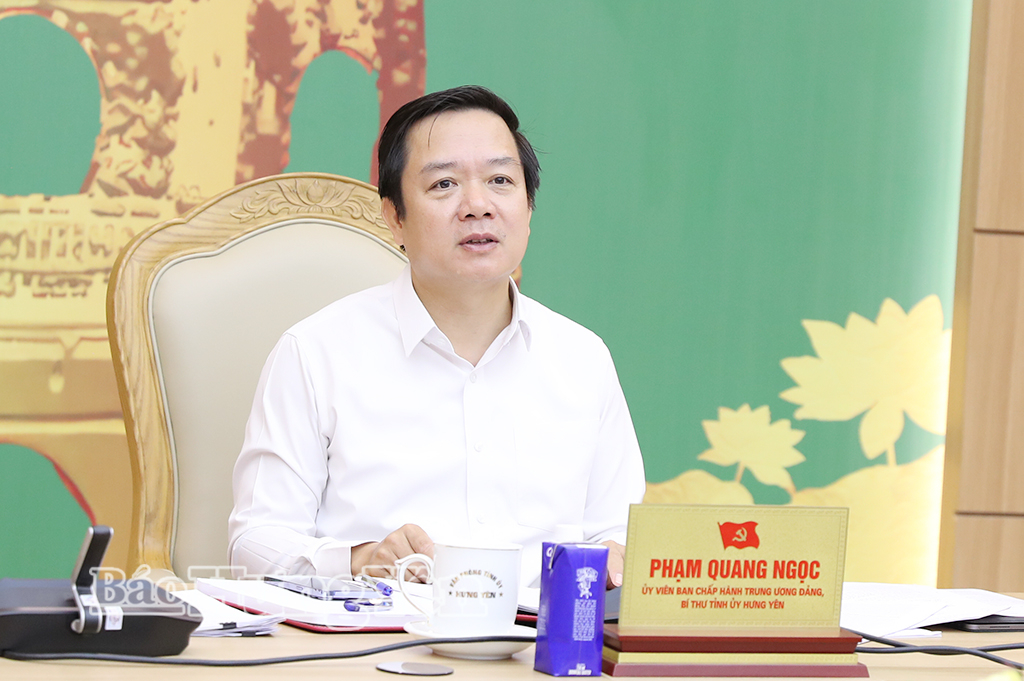
Mr. Pham Quang Ngoc, Member of the Party Central Committee and Secretary of the Provincial Party Committee, speaks at the meeting.
Speaking at the meeting, comrade Pham Quang Ngoc, member of the Party Central Committee and Secretary of the Provincial Party Committee, provided analysis, offered guidance, and delivered conclusions on each item submitted by various agencies and units to the Provincial Party Committee’s Standing Board. Regarding the issuance of a Directive by the Provincial Party Committee’s Standing Board on strengthening leadership and direction for ensuring economic security within the province, the Provincial Party Secretary expressed his agreement with the policy. He emphasized that the core focus of the Directive should be on the solutions to ensure economic security, specifically, operational measures and coordination among functional agencies to proactively prevent, detect, and address risks and complex issues related to economic security. Concerning the continuous implementation of land allocation projects for officers and personnel of the former Thai Binh Provincial Public Security, the former Thai Binh Provincial Military Command, and the former Thai Binh Border Guard, the Provincial Party Secretary underscored that these are three long-standing, unresolved projects. Although they have previously undergone inspections and audits, with the conclusions reached on how to handle them, the implementation process has encountered persistent difficulties and obstacles, preventing a definitive resolution. At present, in light of directives of the Politburo, the conclusions of the Central Steering Committee on Anti-Corruption, Wastefulness, and Negative Practices, and most notably the Resolution No. 29/2026/QH16 of the National Assembly, there is now a clear political and legal basis to further examine and address the outstanding issues and obstacles, allowing for the implementation of these projects in accordance with regulations. Following a review of Party regulations and State laws, the advisory body to the Party Committee of the Provincial People’s Committee has determined that there are sufficient grounds to proceed with the projects in accordance with established regulations and the scope of their authority.
Regarding the establishment and construction of new public high schools in Hung Yen province for the 2026–2030 period, the Secretary of the Provincial Party Committee noted that approximately 30% of students currently do not continue their education at the high school level. An assessment of the situation points to two primary factors as follows: an insufficient number of schools to meet educational demand and a shortage of teachers. Meanwhile, the province aims to increase the proportion of students who continue their education after completing lower secondary school, gradually fulfilling the requirements for universal high school education in line with the province’s educational development strategy. Consequently, the province must carry out comprehensive solutions to expand the school network and increase student intake capacity, ensuring that all students who wish to continue their studies and meet the necessary criteria have the opportunity to do so. Regarding investment, the province is adopting a "model school" approach, which leverages the collective strength of the entire political system alongside socialized resources. Based on this model, the Provincial People’s Committee proposes establishing additional schools, specifically, three in the northern part of the province, while also exploring the construction of three more in the southern part. The province aims to build these six new schools between 2026 and 2028, thereby expanding student intake capacity, easing the pressure on 10th-grade admissions, and progressively meeting the growing demand for education.