The Provincial People’s Committee holds regular meeting in September 2026
On the morning of October 7, the Provincial People’s Committee held its regular meeting in September to evaluate the socio-economic development over the first nine months of the year and outline key tasks for the final three months of 2026. The meeting was chaired by comrade Nguyen Manh Quyen, Deputy Secretary of the Provincial Party Committee, Secretary of the Party Committee of the Provincial People’s Committee, and Chairman of the Provincial People’s Committee.
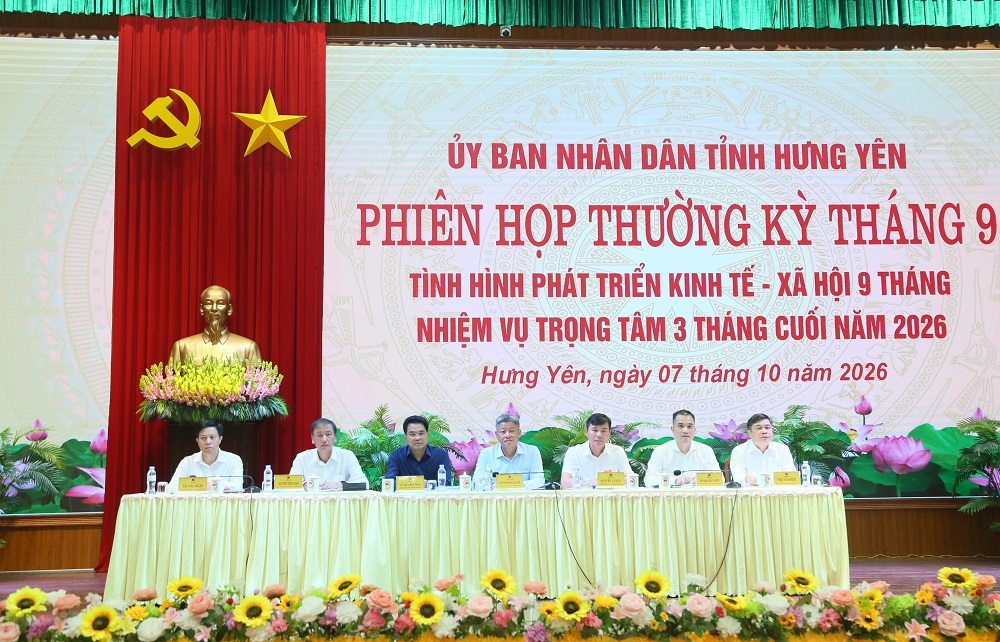
Comrade Nguyen Manh Quyen, Deputy Secretary of the Provincial Party Committee and Chairman of the Provincial People’s Committee, attends the meeting with the Vice Chairmen of the Provincial People’s Committee.
In the attendance were members of the Provincial Party Committee’s Standing Board, Vice Chairmen of the Provincial People’s Committee, the Deputy Secretary of the Party Committee of the Provincial People’s Committee, leaders of various provincial departments, agencies, and units, as well as the Party Committee Secretaries and Chairmen of the People’s Committees of communes and wards across the province.
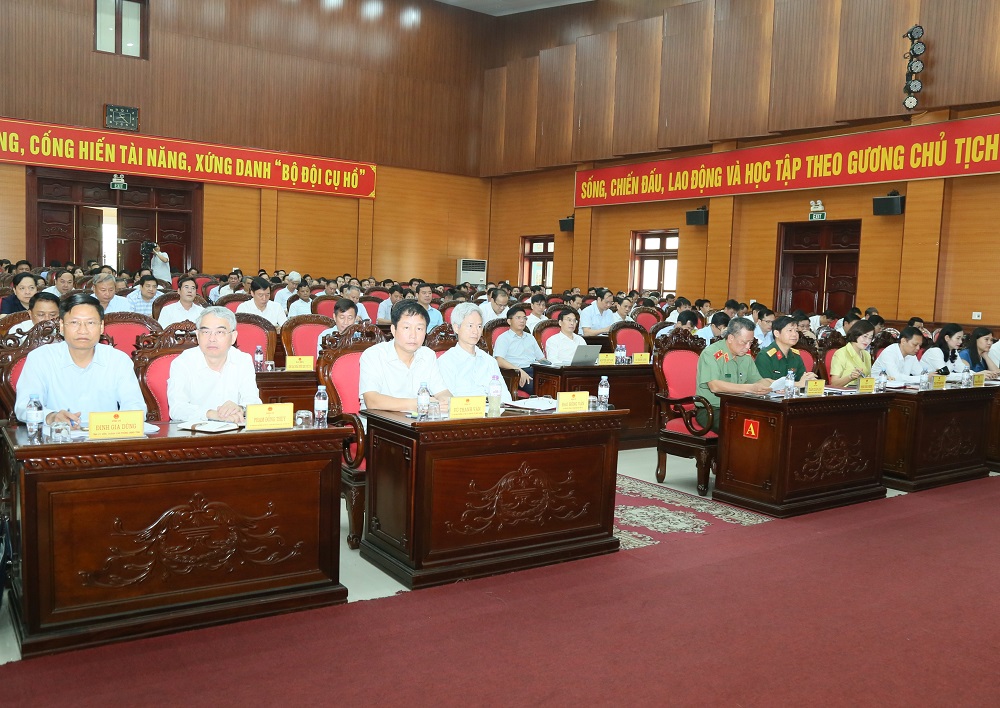
Delegates attend the meeting.
The socio-economic performance continues to yield positive results over the first nine months
According to a report of the Department of Finance, despite numerous ongoing difficulties and challenges during the first nine months of 2026, the province maintained comprehensive, decisive leadership and management. As a result, the socio-economic situation continued to show positive outcomes, with key indicators remaining on track to meet established targets.
Notably, the Gross Regional Domestic Product (GRDP) grew by 11.22%, surpassing the projected 11.1%, placing the province the 7th out of 34 provinces and cities. The industrial production value increased by 14.87%; total retail sales of goods and service revenue rose by 17.5%; export turnover grew by 16.69%; and agricultural production remained stable, with an increase of 2.44%.
Public investment initiatives received focused direction and oversight. As of September 30, the total public investment capital plan in 2026, following a 5% reduction in local budget allocations, stood at 56,493 billion VND. Of this, 56,112.1 billion VND has been allocated, with 28,330.4 billion VND disbursed, seeing an increase of 7,625.2 billion VND compared to the end of August. Specifically, the disbursements from the 2026 capital plan reached 26,222.7 billion VND, representing 60.3% of the target assigned by the Prime Minister.
The efforts to attract investment and foster business development continue to show positive momentum. Over the first nine months, the province has attracted 68,000 billion VND and 1.9 billion USD in registered investment capital, while 4,008 new enterprises were established with a total registered capital of 44,212 billion VND. State budget revenue reached 52,874.3 billion VND, and total social investment is estimated at 117,508 billion VND, seeing an increase of 14.28% over the same period last year. Science, technology, innovation, and digital transformation have been further prioritized; notably, the proposal to establish a High-Tech Park has been approved by the Prime Minister.
Social and cultural sectors have received significant attention. During the nine-month period, the province welcomed an estimated 3.5 million tourists. Hung Yen ranked the 9th nationwide in terms of average scores in the 2026 high school graduation examination, and 46,420 jobs were created. The initiatives concerning social welfare, poverty reduction, and public healthcare have been carried out effectively. The province aims to be essentially free of households living in poverty by the end of 2026, based on the multidimensional poverty standards for the 2022–2025 period. To date, 5,611 individuals have received monthly income support, and 900 people from households that have escaped poverty have been provided with health insurance coverage. The provincial budget has approved a funding of 105.5 billion VND to assist 1,295 households in replacing temporary or dilapidated housing; as of October 2, local authorities have commenced the construction or repair of homes for 731 of these households.
The efforts regarding land surveying, the creation of cadastral maps, and the completion of land databases have been accelerated. As of October 5, the province recorded 899,936 land plots in "Group 1," with an increase in the number of such plots across all 104 communes and wards. The province aims to complete 100% of the work for "Group 2" land plots by December 10, 2026, and finalize the declaration and registration process for "Group 3" land plots, those currently lacking the certificates of land use rights by November 30, 2026.
The search, recovery, and identification of the remains of fallen soldiers have been carried out vigorously, reaching completion five months ahead of schedule. The two-tier local government operations have remained stable and efficient; meanwhile, administrative reform, the management of public assets, national defense, security, and social order and safety have been prioritized, with all established requirements being met.
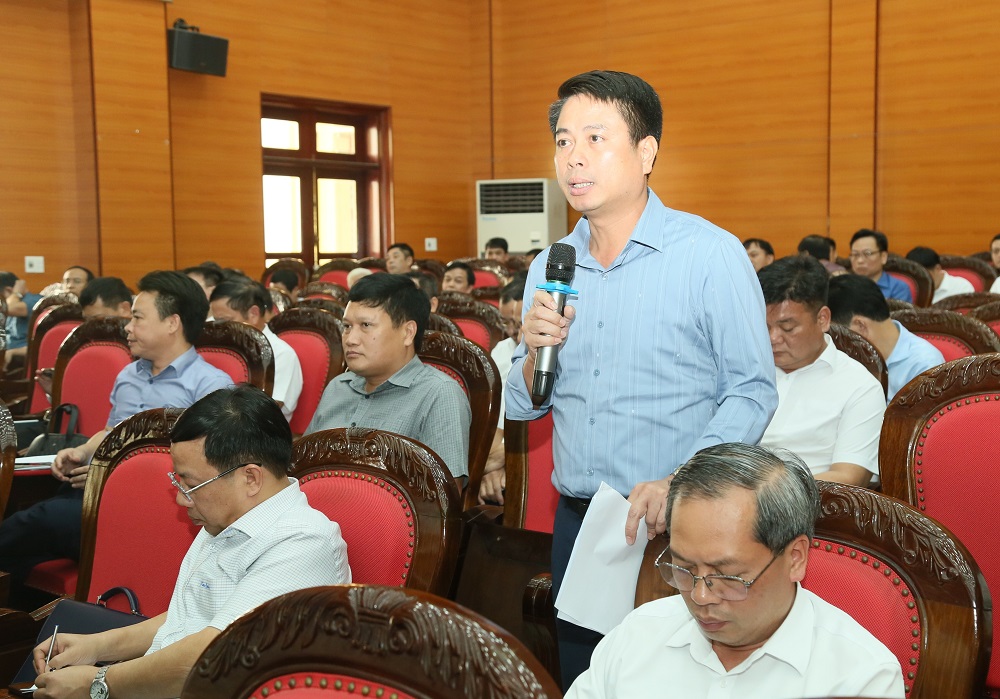
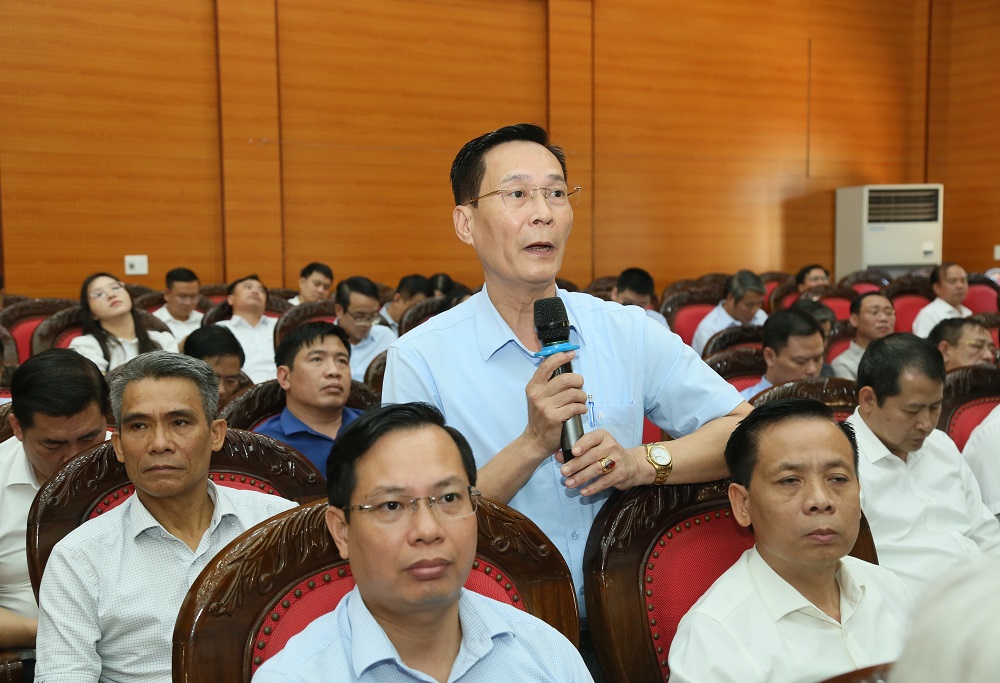
Leaders of communes and wards discuss at the meeting.
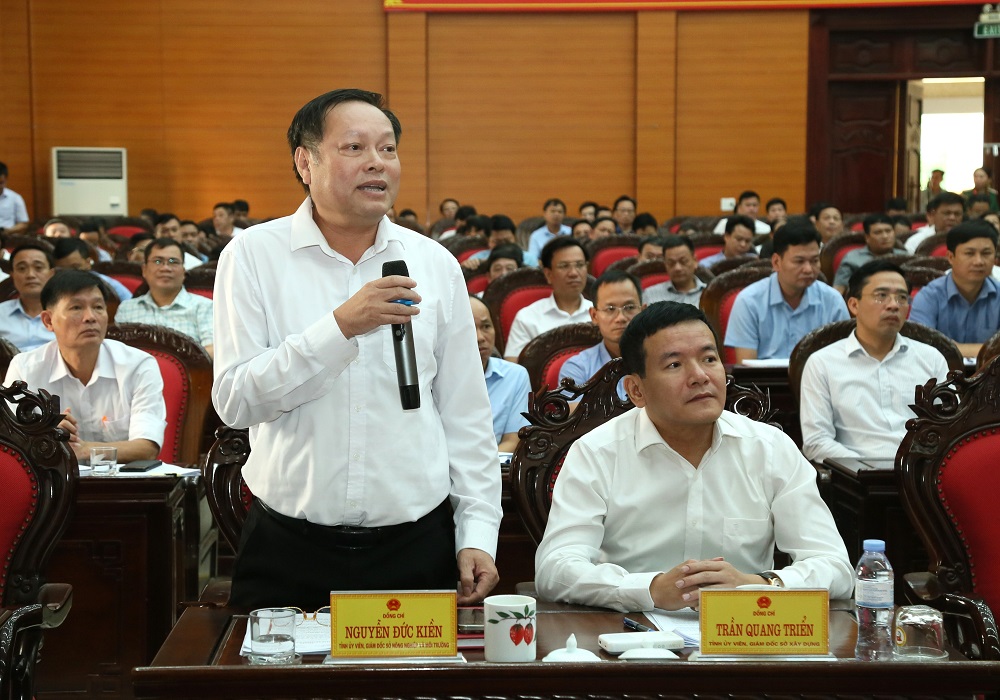
Leader of the Department of Agriculture and Environment discusses at the meeting.
During the meeting, delegates focused on evaluating the results achieved, while clarifying existing shortcomings and challenges encountered in the execution of their duties; at the same time, proposals were put forward regarding solutions to accelerate the disbursement of public investment capital, boost state budget revenue, expedite site clearance, complete the land database, and carry out socio-economic development tasks for the final months of the year. Based on this, the leaders of the Provincial People’s Committee, and representatives of various departments and sectors, discussed and clarified specific issues falling under their respective areas of responsibility.
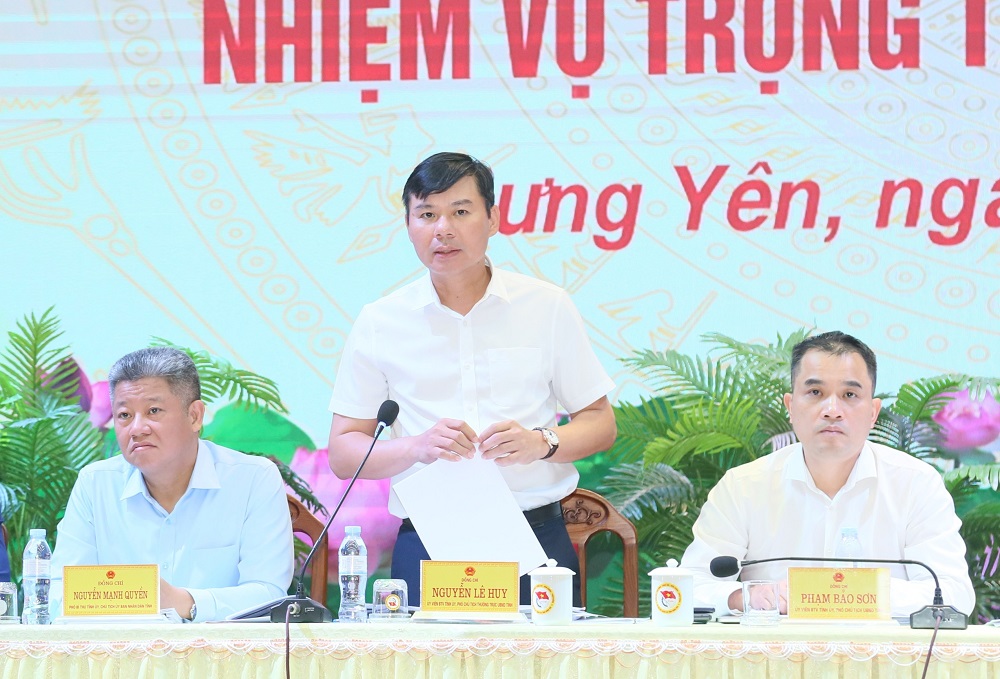
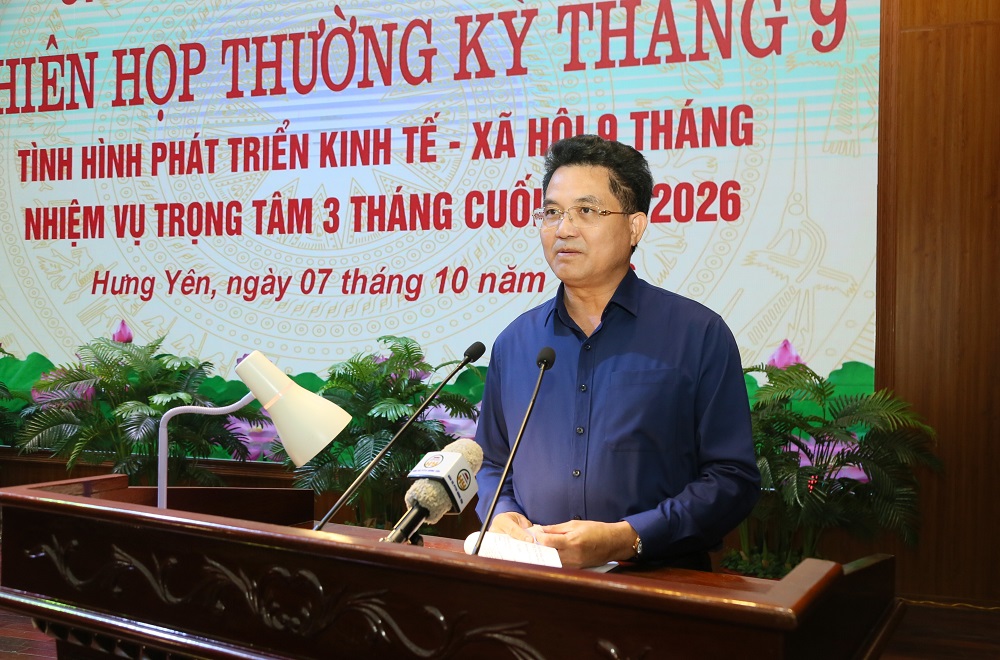
The Standing Vice Chairman of the Provincial People’s Committee, Nguyen Le Huy, speaks at the meeting.
Vice Chairman of the Provincial People’s Committee, Le Quang Hoa, speaks at the meeting.
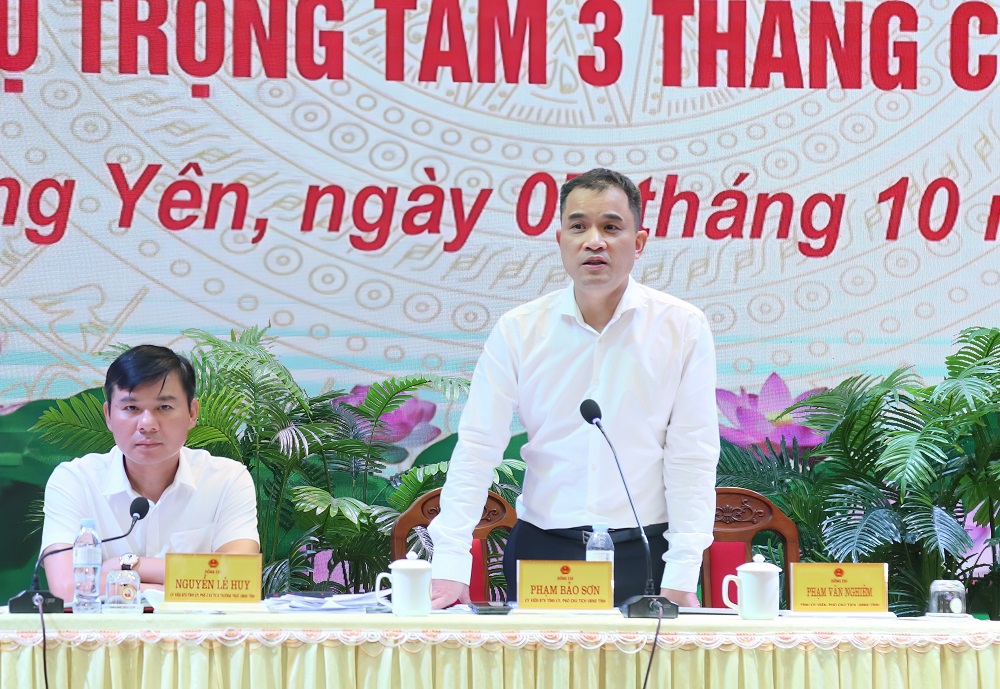
Vice Chairman of the Provincial People’s Committee, Pham Bao Son, speaks at the meeting.
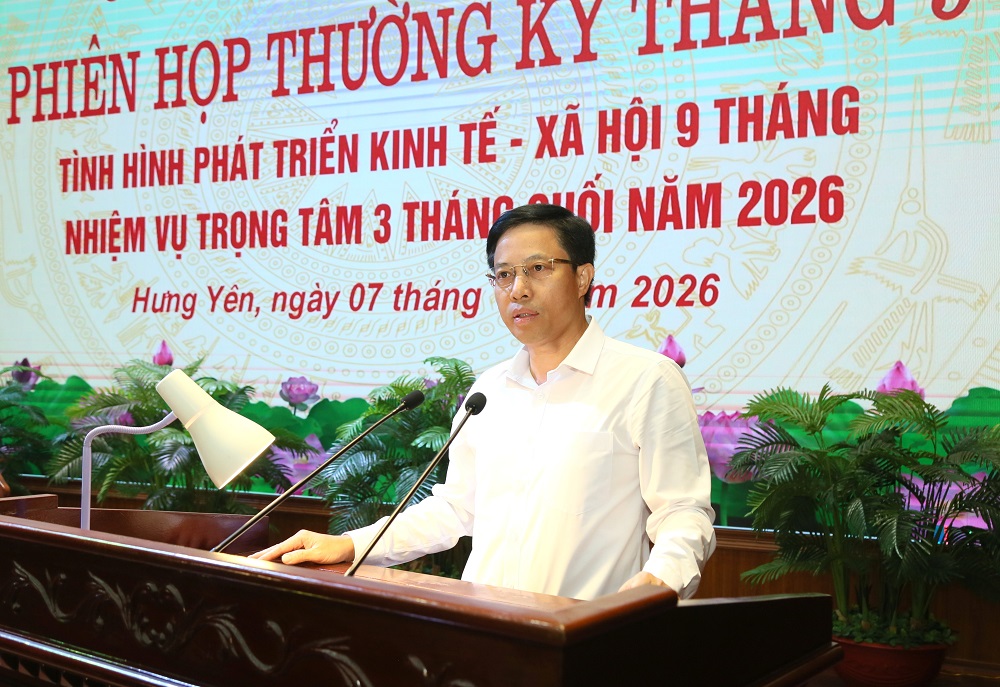
Vice Chairman of the Provincial People’s Committee, Lai Van Hoan, speaks at the meeting.
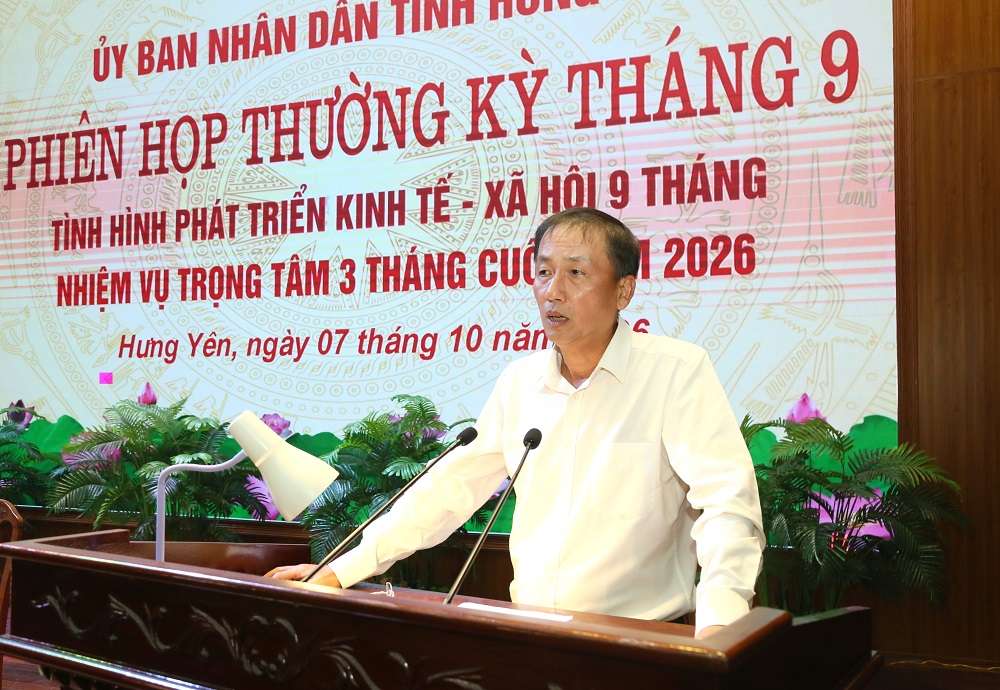
Vice Chairman of the Provincial People’s Committee Nguyen Hung Nam speaks at the meeting.
Maintaining a high level of focus in the fourth quarter, striving for a growth rate of 11.5% or higher in 2026.
Concluding the meeting, comrade Nguyen Manh Quyen, Deputy Secretary of the Provincial Party Committee and Chairman of the Provincial People’s Committee, acknowledged and commended the efforts and sense of responsibility demonstrated by all levels, sectors, and localities in carrying out their duties during the first nine months of 2026. He emphasized that throughout the final three months of the year, the entire province must maintain a high level of focus and act with even greater determination to achieve the set goals and tasks in 2026 to the fullest extent possible.
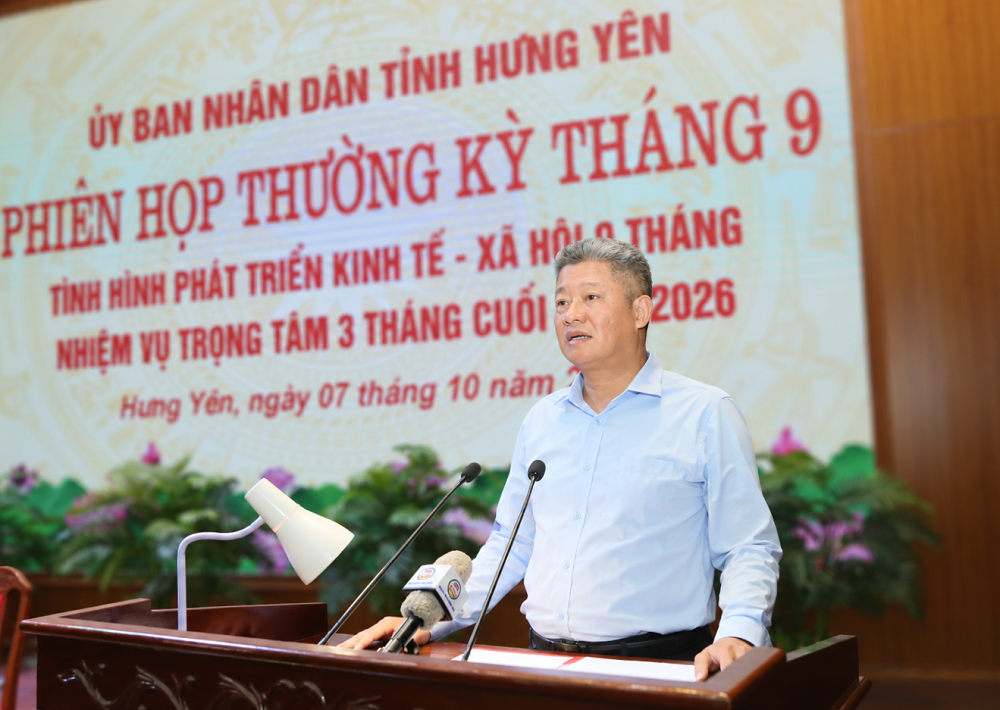
Deputy Secretary of the Provincial Party Committee and Chairman of the Provincial People’s Committee Nguyen Manh Quyen delivers directives at the meeting.
The Deputy Secretary of the Provincial Party Committee and Chairman of the Provincial People’s Committee reaffirmed the province’s steadfast commitment to achieving a growth rate of 11.5% or higher in 2026. He urged all levels and sectors to align their understanding and concentrate on implementing solutions and management measures to reach this target. Furthermore, he stressed the importance of laying a foundation for future growth by intensifying efforts to attract investment, particularly large-scale projects and high-tech enterprises, while leveraging the province’s growth poles, geoeconomic advantages, transport infrastructure, and available clean land.
Regarding public investment, the Deputy Secretary of the Provincial Party Committee and Chairman of the Provincial People’s Committee directed units with disbursement rates below the provincial average to conduct a thorough review, identify the specific causes, and conduct corrective measures immediately during the fourth quarter, the critical final stretch of 2026. All levels and sectors must consistently monitor progress and link performance outcomes to the evaluation of the responsibilities and competencies of officials. To strive to improve disbursement efficiency, aiming for clear, tangible progress in 2026 and the following years.
Departments, agencies, and local authorities must fundamentally shift their approach to leadership and management, particularly regarding key projects. The tasks and project stages should be mapped out as a "critical path" and executed in parallel, rather than waiting for one phase to conclude before beginning the next, ensuring full compliance with the law while minimizing implementation time. This approach should be applied consistently across all projects within the province.
Regarding site clearance, the Deputy Secretary of the Provincial Party Committee and Chairman of the Provincial People's Committee urged local Party committees and authorities to be proactive and decisive. They must strictly adhere to policies and laws, ensuring the utmost protection of the legitimate rights and interests of the public. Furthermore, the progress of one project must not hinder the advancement of others. Responsibilities at every level, across departments, sectors, and localities must be clearly defined to ensure unified leadership, direction, and execution.
Regarding the digitization of land data, the Deputy Secretary of the Provincial Party Committee and Chairman of the Provincial People's Committee directed departments, agencies, and local authorities to accelerate the completion of land databases. They should identify suitable locations to pilot a comprehensive digitization model for all land parcels, integrating digital technology to manage boundaries and current land use, while also facilitating site clearance efforts. Based on the pilot results, the model should be evaluated for broader implementation, ultimately enhancing the efficiency of land management and construction order, while shortening project timelines.
He also requested that the leaders of the Provincial People's Committee remain closely focused on their assigned duties. Departments and agencies must strictly fulfill their designated functions and duties, proactively resolve challenges faced at the grassroots level, and avoid any instances of passing the buck or delaying the handling of tasks. The Office of the Provincial People’s Committee is tasked with focusing on reform and the digitalization of operational workflows, aiming for clear, tangible improvements in advisory and administrative management between now and the end of the year.
Regarding local jurisdictions, the Deputy Secretary of the Provincial Party Committee and Chairman of the Provincial People’s Committee has directed the Party Committee Secretaries and Chairmen of the People’s Committees of communes and wards to lead and oversee the completion of all tasks in 2026. Furthermore, they are expected to actively contribute to refining mechanisms and policies, particularly those concerning the decentralization of socio-economic management, revenue sources, expenditure responsibilities, organizational structure, human resources, economic-technical norms, and unit pricing. This will establish the necessary foundation for a more seamless and effective operation of the two-tier local government model, effective from 2027.
Comrade Nguyen Manh Quyen, Deputy Secretary of the Provincial Party Committee and Chairman of the Provincial People’s Committee, emphasized that all levels and sectors must shift their mindset from merely “processing tasks” toward “governance and implementation.” This entails continuous monitoring of assignments and evaluation based on concrete results. The outcomes achieved in 2026 will serve as a key criterion for assessing the responsibilities and competencies of officials, heads of units, and collective bodies. Such efforts will support the entire political system in successfully meeting the socio-economic development goals and tasks in 2026, thereby creating a solid foundation for the next phase of development.